The Ultimate Guide to Web Content Personalization

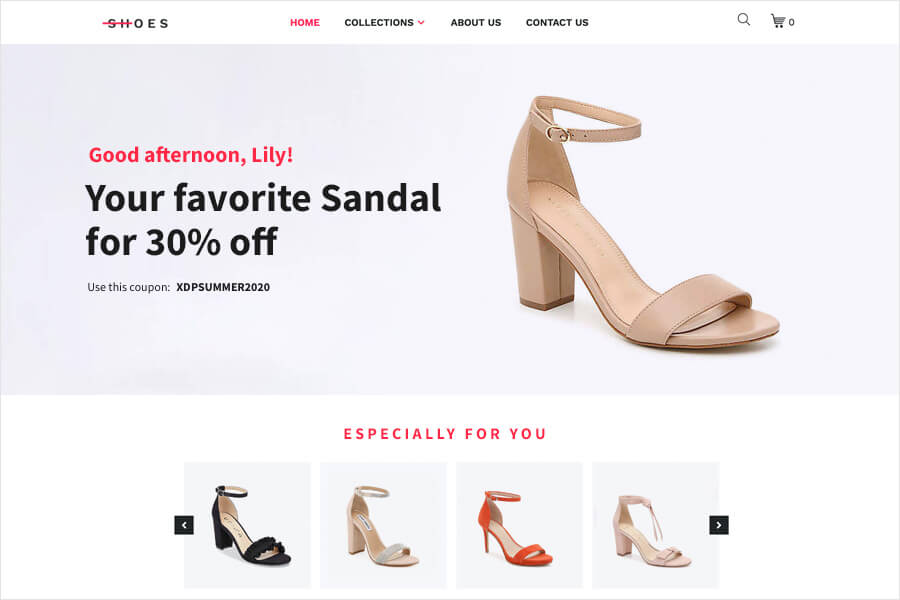
Have you ever walked into a coffee shop where the barista remembers your name and order? That little bit of personalization makes the experience feel special, right? When you create personalized web content, it does the same thing for your website visitors. Instead of a one-size-fits-all approach, it adapts the content to fit each user’s preferences, behaviors, and interests, creating a unique experience for everyone.
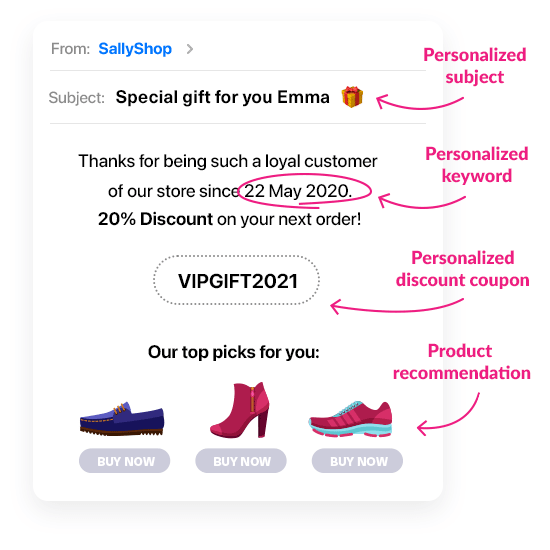
What is Web Content Personalization?
In simple terms, web content personalization is tailoring the content of your website to individual users. Instead of showing the same page to everyone, you adapt based on what you know about the user’s interests. Think of it as curating a personal playlist for each visitor based on their past listens.
For example, if someone visits a travel site and spends time browsing European destinations, they might start seeing Europe-related content on their next visit. It’s about making users feel understood and valued by giving them what they want — or what they’re likely to want — right off the bat.
Why is Web Content Personalization Important?
Imagine you’re at a library, but instead of a quiet, organized space, it’s all random shelves with no labels. Frustrating, right? That’s what visiting a website with generic content can feel like to a user. The benefits of website personalization include enhancing user experience, meeting consumer expectations, and increasing engagement. Web content personalization brings order and relevance, helping visitors find what interests them quickly and easily. This leads to:
- Higher Engagement: Relevant content keeps users on your site longer, increasing engagement.
- Better Conversions: People are more likely to buy or sign up when content resonates with their interests, significantly improving the conversion rate.
- Improved Loyalty: When users feel understood, they’re more likely to return.
Incorporating website personalization into a broader marketing strategy can foster meaningful connections, enhance brand recognition, and ultimately drive revenue growth by meeting elevated consumer expectations for personalized digital interactions.
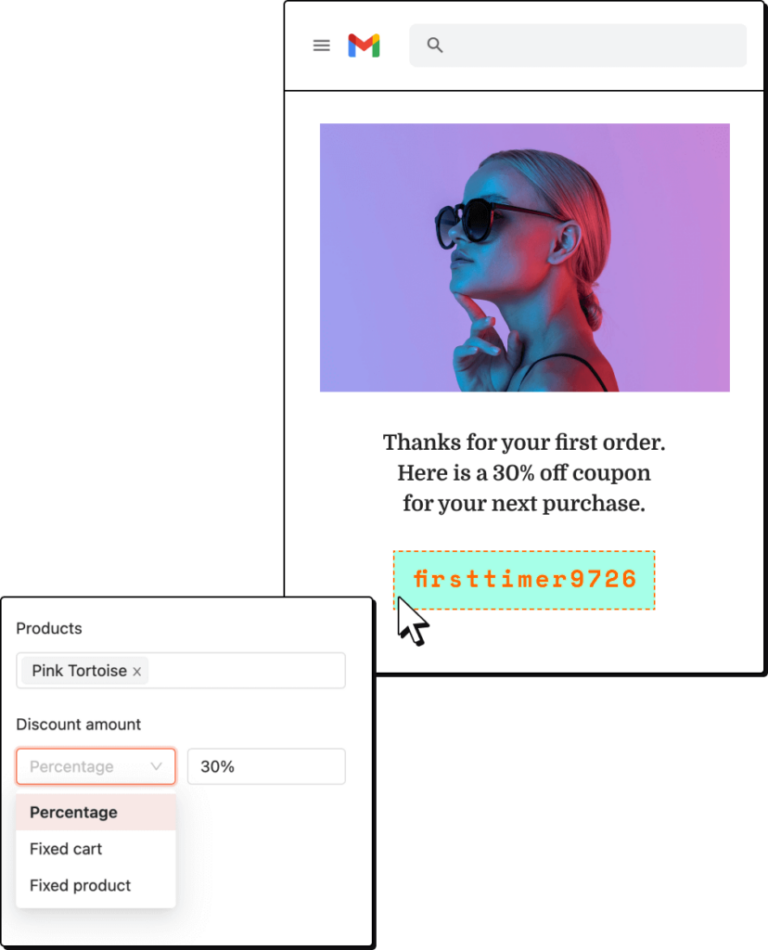
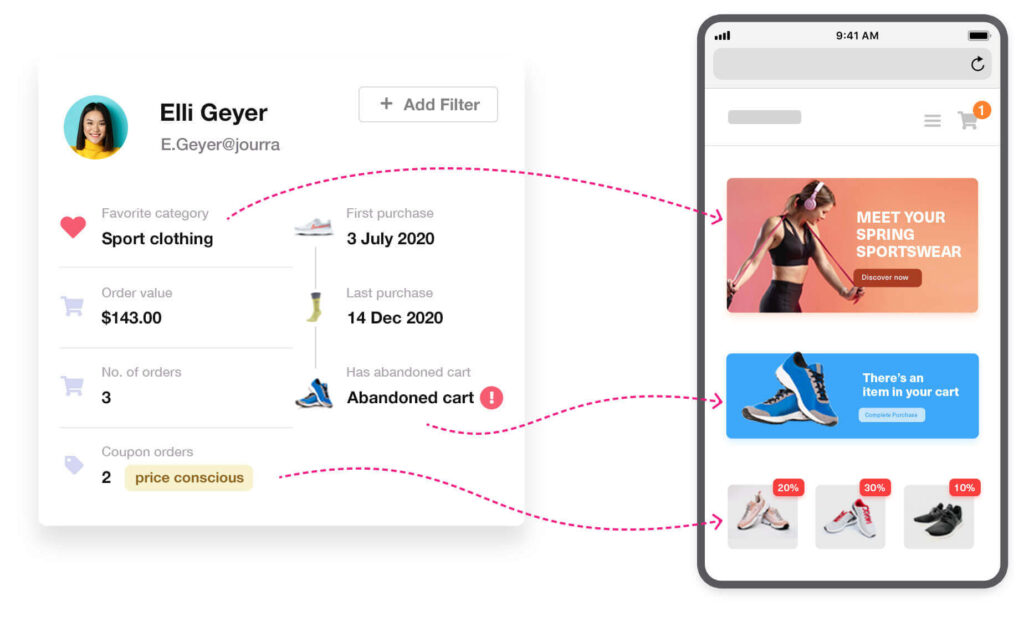
The Magic of Personalization: How Does It Work?
Web personalization involves gathering and using behavioral data to determine user preferences and user behavior, making it a crucial strategy for enhancing customer loyalty and retention. This data might come from actions like pages visited, items added to a cart, location, or even the time of day. Once you have this data, you can adapt the experience in various ways.
Steps to Implement Web Content Personalization Using Customer Data
- Understand Your Audience Start with mapping out the customer journey and collecting data, including users’ browsing behavior. This could be anything from browsing history to geographic location. By knowing what your visitors are interested in, you’re already halfway to creating a personalized experience.
- Segment Your Visitors Not every visitor is alike. Some might be new, while others are regulars. Some may look for deals, and others seek luxury products. Creating groups (or segments) based on behaviors allows you to design more relevant content for each.
- Use Dynamic Content Dynamic content is content that changes based on the visitor’s data. If someone visits your site searching for vegan recipes, show them a recipe gallery focused on plant-based meals. Dynamic content gives each visitor an experience that feels tailored just for them.
- Track and Refine Personalization isn’t a one-time setup. Keep an eye on what works and make adjustments as needed. Think of it as fine-tuning an instrument — small tweaks can make all the difference.
Everyday Personalization Examples: The Personalized Shopping Experience
Imagine you own a bookstore, and you notice one customer always buys mystery novels while another goes for cookbooks. For the mystery lover, you’d likely recommend the latest thrillers. For the cookbook enthusiast, perhaps the newest culinary releases. A personalized website can recommend products based on individual preferences, leveraging data such as browsing history and demographics to deliver relevant content. Personalization online works the same way. When visitors feel like the content is crafted to suit their tastes, they’re more likely to stick around — and to buy. There are many website personalization examples, such as personalized landing pages, discounts based on user behavior, and geolocation features, that illustrate how businesses use customer data to create tailored user experiences.
Types of Web Content Personalization
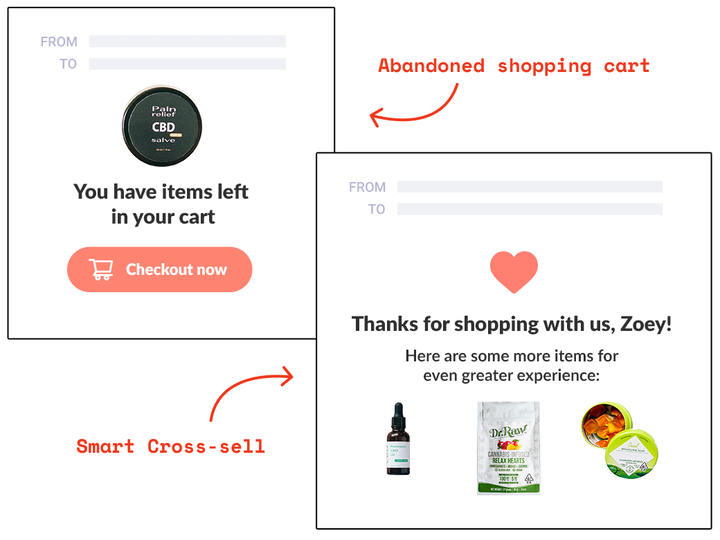
- Behavior-Based Personalization This involves adapting content and navigation menus based on user actions, like pages visited or items added to the cart. If someone adds a tent to their cart, a camping website might suggest sleeping bags or hiking gear. There are many personalization examples, such as behavior-based and location-based personalization.
- Location-Based Personalization Your user’s location can help tailor content. For example, a clothing site could showcase summer apparel to visitors from warm climates and winter gear to those from colder regions.
- Time-Based Personalization Adjusting content based on time of day or season can keep content fresh and relevant. Imagine a food delivery site offering coffee deals in the morning and dinner specials in the evening. It’s a simple touch that makes a big difference.
Key Capabilities of a Personalization Engine
A personalization engine is the powerhouse behind effective website personalization and a crucial component of any digital strategy. Think of it as the brain that processes all the data and decides what content to show each visitor. Here are the key capabilities that make a personalization engine indispensable:
- Data Integration: Imagine trying to bake a cake without all the ingredients. A personalization engine collects data from various sources like CRM systems, marketing platforms, and web analytics tools, ensuring you have all the necessary information to create a personalized experience.
- Real-time Processing: Just like a barista who remembers your order as soon as you walk in, a good personalization engine processes data in real-time. This means it can respond to customer interactions and behaviors instantly, making the experience feel timely and relevant.
- Decision Logic: This is the engine’s ability to think on its feet. It uses decision logic to determine the most relevant content, offers, and experiences for each visitor. It’s like having a personal shopper who knows exactly what you like.
- Content Management: Managing and delivering personalized content is crucial. Whether it’s text, images, or videos, the engine ensures that each piece of content is tailored to the visitor’s preferences, making the experience feel unique.
- Analytics and Reporting: To know if your personalization efforts are hitting the mark, you need insights. A personalization engine tracks and measures the effectiveness of your strategies, providing valuable data on customer behavior and preferences.
Leveraging Customer Data for Personalization
Customer data, including user data, is the secret sauce of any successful website personalization efforts. By understanding your customers’ needs, preferences, and behaviors, you can create experiences that truly resonate. Here’s how to make the most of your customer data:
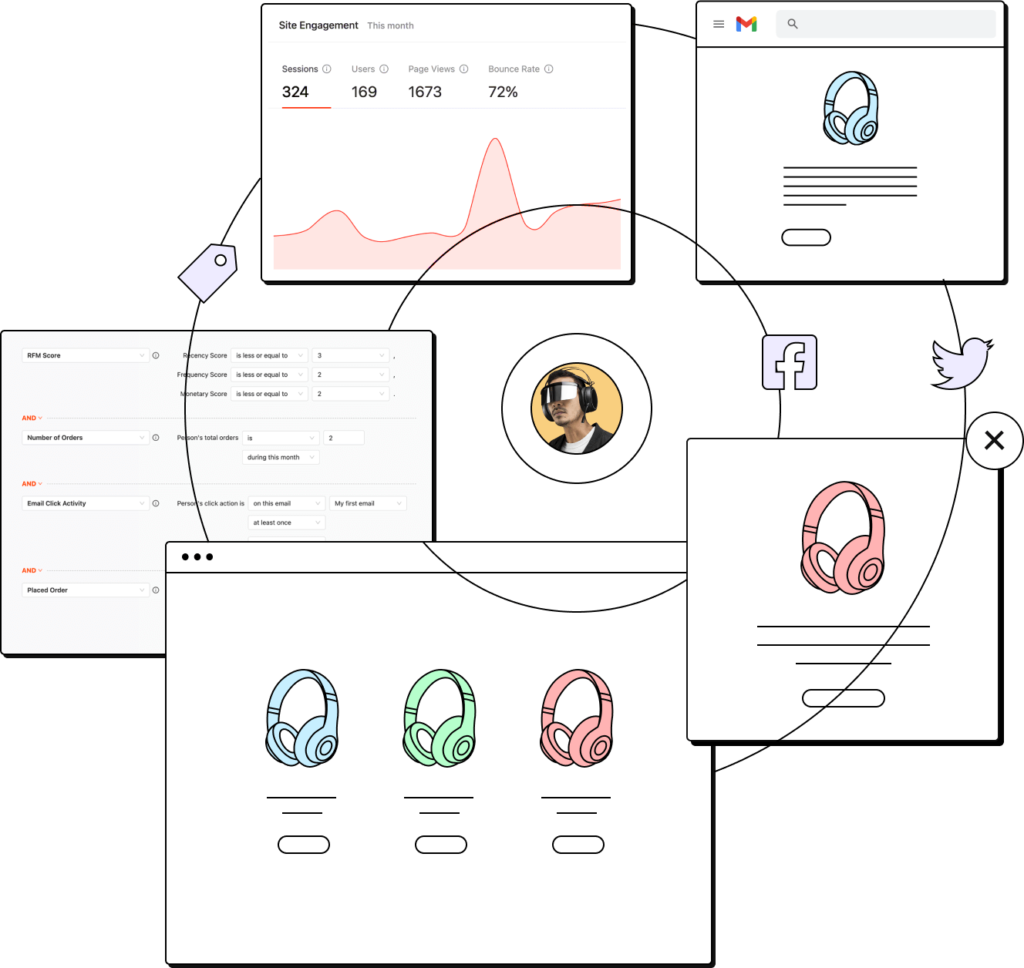
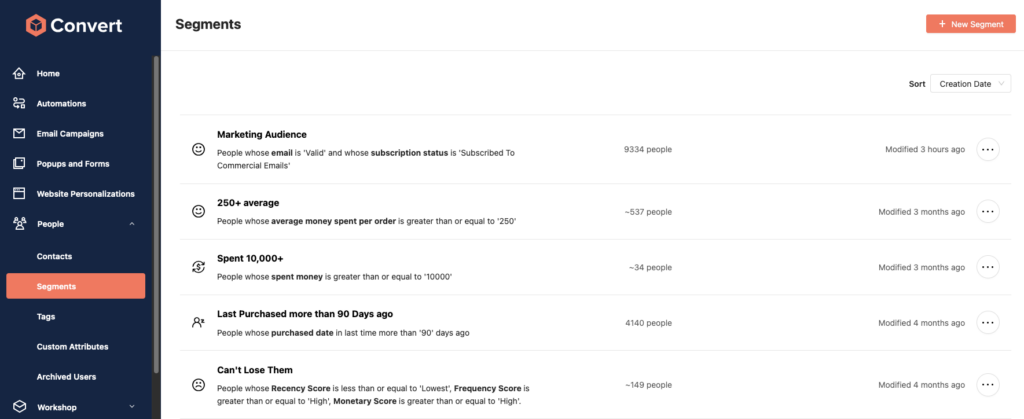
- Segmentation: Think of segmentation as creating different playlists for different moods. By grouping customers based on demographics, behaviors, and preferences, you can deliver targeted experiences that hit the right note.
- Profiling: Creating detailed profiles of individual customers is like having a cheat sheet for their likes and dislikes. This allows you to deliver personalized content and offers that feel tailor-made.
- Behavioral Analysis: Analyzing customer behavior, such as browsing history and purchase history, helps you understand what they’re looking for. It’s like being able to read their mind and offer exactly what they need.
- Predictive Analytics: Using predictive analytics is like having a crystal ball. It helps you anticipate customer needs and deliver proactive experiences, ensuring you’re always one step ahead.
Personalization Strategy & Best Practices
Developing a personalization strategy is like planning a road trip. You need a clear route, but you also need to be flexible and ready to make adjustments along the way. Digital marketers play a crucial role in this process by utilizing consumer data to create relevant and tailored content, improving the overall shopping experience for customers. Here are some best practices to guide you:
- Start Small: Don’t try to personalize everything at once. Start with simple efforts, like personalized greetings or product recommendations, and gradually scale up as you see what works.
- Focus on Customer Needs: Always keep your customers’ needs and preferences at the forefront. Personalization should enhance their experience, not overwhelm them.
- Use Data to Drive Decisions: Let data be your compass. Use it to guide your personalization efforts, rather than relying on intuition or guesswork.
- Continuously Test and Optimize: Personalization is an ongoing journey. Continuously test and optimize your efforts to ensure they’re delivering the desired results.
- Ensure Transparency and Control: Be transparent about how you use customer data and give them control over their personalization experiences. Building trust is key to successful personalization.
Common Challenges in Dynamic Personalization
Dynamic personalization can be a game-changer for enhancing the personalized customer experience, but it comes with its own set of challenges. Imagine trying to juggle multiple tasks at once – it can get tricky! Here are some common hurdles you might face:
- Data Quality and Integration: Think of customer data as the ingredients in a recipe. If the ingredients are stale or incomplete, the final dish won’t turn out well. Ensuring that your data is accurate, up-to-date, and seamlessly integrated across all systems is crucial for effective personalization efforts.
- Scalability: As your business grows, so does the volume of website visitors and customer data. It’s like moving from a small café to a bustling restaurant – you need to scale your operations to meet the increased demand. Scaling personalization efforts to handle this growth can be challenging but is essential for maintaining a high-quality customer experience.
- Complexity: Implementing dynamic personalization can feel like solving a complex puzzle. It requires significant technical expertise and resources to manage effectively. However, with the right team and tools, you can piece together a seamless personalized experience for your users.
- Measuring Success: Imagine setting off on a road trip without a map. Without clear goals and metrics, it can be difficult to measure the success of your personalization strategy. Defining your objectives and tracking relevant metrics is key to understanding the impact of your efforts.
- Balancing Personalization and Privacy: Personalization is like walking a tightrope – you need to balance providing a personalized experience with respecting user privacy. Collecting and using customer data responsibly is essential to build trust and ensure compliance with data protection regulations.
Choosing the Right Personalization Software
Selecting the right personalization software is like choosing the perfect tool for a job – it can make all the difference. Personalized web content services are crucial in enhancing user engagement by tailoring content to individual site visitor behaviors and demographics. Here are some key factors to consider to ensure you pick the best fit for your needs:
- Ease of Use: The software should be user-friendly, much like a well-designed app that requires minimal effort to navigate. It should not demand extensive technical expertise to implement and manage, allowing your team to focus on creating personalized experiences rather than wrestling with the tool.
- Scalability: Think of scalability as having a wardrobe that grows with you. Your personalization software should be able to handle increasing volumes of website visitors and customer data as your business expands, ensuring consistent performance and user experience.
- Integration: The software should play well with others, integrating seamlessly with your existing systems and tools, such as CRM and marketing automation platforms. This integration ensures that all your customer data is in one place, making it easier to deliver a cohesive personalized experience.
- Customization: Just like a tailor-made suit, the software should allow for customization to meet your specific business needs. Whether it’s adjusting the personalization rules or creating unique user segments, flexibility is key.
- Analytics and Reporting: Robust analytics and reporting capabilities are like having a GPS for your personalization journey. They help you measure the success of your personalization efforts, providing insights into customer behavior and preferences, and guiding your future strategies.
- Support and Training: Adequate support and training from the software vendor are essential. It’s like having a coach who helps you get the most out of your tools, ensuring successful implementation and ongoing use.
By considering these factors, you can choose personalization software that not only meets your current needs but also supports your long-term personalization goals.
How to Make Personalization Feel Natural by Analyzing User Behavior
Personalization should feel like a friendly suggestion, not a sales pitch. Here’s a humorous twist: imagine a server who recommends dessert to everyone at the end of a meal. It’s not pushy; it’s thoughtful. The same goes for your web content. By understanding each visitor’s preferences through their browsing and purchasing history, you can enhance algorithmic product recommendations. Don’t overwhelm visitors with too much personalization; just give them enough to feel like the experience is crafted with them in mind.
Is Web Content Personalization Right for Every Site?
If you’re wondering whether personalization is right for your site, consider your audience and goals. Not every site needs it. For example, a small blog with loyal, returning readers may not need extensive personalization. However, e-commerce sites, news portals, and content-heavy websites can see big benefits by tailoring their strategies to engage potential customers. Understanding the specific needs and behaviors of potential customers allows for more effective calls to action and personalized content delivery, which ultimately enhances user engagement and encourages conversions.
Getting Started with Web Content Personalization
So, ready to dive into web content personalization? Start small. Begin by segmenting users and testing personalized content with one or two segments. Use customer data to create content that is specifically tailored to different audience segments. Keep it light and learn from what works.
Optimizing Landing Pages for Conversion
Optimizing landing pages for conversion is crucial for delivering personalized content and improving customer satisfaction. A well-optimized landing page should have targeted calls-to-action, relevant products, and personalized messages that cater to the user’s interests. By applying website personalization strategies to landing pages, businesses can create a personalized experience for site visitors that drives engagement and conversions.
Imagine a landing page that greets a returning visitor by name and showcases products they’ve previously shown interest in. This level of personalization can be achieved by analyzing user behavior, such as browsing history and past purchases, to create tailored content that resonates with the target audience. Personalization tools can help deliver personalized content, improving conversion rates and fostering stronger customer relationships.
For example, a business can use machine learning algorithms to analyze customer data and create personalized product suggestions on their landing page. This approach not only enhances the user experience but also leads to increased customer loyalty and brand loyalty. By delivering relevant content and personalized experiences, businesses can increase user engagement and drive more conversions, ultimately boosting customer satisfaction.
Content Marketing and Personalization
Content marketing and personalization are closely linked, as personalized content is a key component of a successful marketing strategy. By creating personalized web content, businesses can deliver relevant content that resonates with their target audience, enhancing user engagement and driving conversions.
Personalization strategies can be applied to various types of content, including blog posts, videos, and social media posts. By leveraging user behavior, such as browsing history and past purchases, businesses can create tailored content that caters to individual users’ interests. For instance, a blog post recommending products based on a user’s past behavior can significantly increase engagement and conversion rates.
Dynamic content and personalized product suggestions are effective techniques for content personalization. For example, a business can use demographic data to create personalized content that targets specific customer segments, ensuring that each piece of content feels relevant and engaging. By delivering personalized content, businesses can improve customer satisfaction, build stronger customer relationships, and increase customer loyalty.
Segmentation and Targeting
Segmentation and targeting are essential components of a website personalization strategy. By segmenting site visitors based on their behavior, demographics, and firmographic data, businesses can create targeted content that resonates with their target audience, driving engagement and conversions.
Personalization tactics can be used to deliver personalized messages and promotions based on user behavior and preferences. For example, a business can analyze browsing history and past purchases to create personalized product suggestions that appeal to specific customer segments. This targeted approach can significantly increase user engagement, improve conversion rates, and drive more sales.
Segmentation and targeting also help businesses build stronger customer relationships and increase customer loyalty. By analyzing customer data, businesses can identify patterns and trends that inform their personalization strategy, allowing them to deliver personalized content and experiences that meet the needs of their audience. This approach not only creates a loyal customer base but also drives long-term growth by delivering relevant and engaging content to each visitor.
Measuring the Success of Personalization Efforts
To know if your personalization efforts are paying off, you need to track the right metrics. Here are some key indicators to keep an eye on:
- Conversion Rates: This metric tells you how effective your personalization efforts are in driving sales and revenue. If personalized content leads to more purchases, you’re on the right track.
- Customer Engagement: Track metrics like time on site and pages per session to see if your personalized content is keeping visitors engaged. The more engaged they are, the more likely they are to convert.
- Customer Satisfaction: Use metrics like Net Promoter Score (NPS) to gauge customer satisfaction. Happy customers are more likely to return and recommend your site to others.
- Return on Investment (ROI): Measure the financial impact of your personalization efforts. If the ROI is positive, it means your strategies are contributing to the bottom line.
- Customer Retention: Track metrics like customer churn rate to see if your personalization efforts are helping to retain customers. Loyal customers are the backbone of any successful business.
By focusing on these metrics, you can gain valuable insights into the effectiveness of your personalization strategies and make data-driven decisions to enhance the customer experience.
Common Myths About Web Content Personalization Debunked
“It’s only for big brands.”In today’s digital world, personalization is scalable. Even small websites can benefit from basic personalization, like location-based greetings or simple content adjustments.
“It’s complicated and requires a huge budget.”While advanced personalization tools are available, you can start with free or affordable options. Many platforms offer personalization features that integrate easily with your website.
Key Takeaways for Web Content Personalization
- Know Your Audience: Collect data thoughtfully and ethically to understand what your visitors want.
- Start Small: You don’t need to personalize everything at once. Try out one or two personalized elements and expand over time.
- Be Mindful of Privacy: Always respect user privacy and be transparent about data use. Building trust is essential.
- Test and Optimize: Personalization is an ongoing process. Keep track of what works and be open to change. Utilize targeted messaging to create personalized content that addresses specific customer pain points, enhancing user engagement and attracting high-quality leads.
Final Thoughts: Why Personalization Matters
Personalization makes a website feel like a familiar space, much like your favorite coffee shop where they remember your order. It turns ordinary browsing into a tailored experience that feels more like a conversation than a transaction. If you’ve ever thought, “I wish my website could make each visitor feel welcome,” creating a personalized website experience might be your answer.
What could a little personalization do for your audience? Give it a try, and you might just find your users feeling right at home.
FAQs
What is web content personalization?Web content personalization is the practice of tailoring a website’s content to fit each individual visitor’s preferences, behaviors, and interests. This customization helps create a unique experience that feels more relevant and engaging for each user.
Why is web content personalization important?Personalized content keeps visitors engaged, increases the likelihood of conversions, and encourages customer loyalty. By making visitors feel understood, personalization can enhance the overall user experience and keep them coming back.
How does web content personalization work?Personalization relies on data collected from visitors, such as browsing history, location, or previous interactions. This data is used to adjust website content dynamically, showing each user what’s most relevant to them based on their preferences and actions.
What types of data are used for web content personalization?Data used for personalization can include user behaviors (such as pages viewed or items added to a cart), geographic location, device type, and time of day. This information helps tailor the content shown to each visitor in real-time.
Do all websites need web content personalization?Not all websites need extensive personalization. Personalization is particularly valuable for e-commerce, news sites, and other content-rich platforms with diverse audiences. Smaller websites with consistent, loyal audiences may benefit from lighter personalization techniques.
How can I get started with web content personalization?Start by segmenting your audience into groups based on behaviors or interests, then experiment with small personalized content pieces for each segment. As you see results, gradually expand your personalization efforts.
Is personalization only for big brands?No, personalization can be beneficial for businesses of all sizes. Small businesses can start with basic personalization features, like location-based greetings or suggested products based on past views.
What’s the difference between behavior-based and location-based personalization?Behavior-based personalization adapts content based on a visitor’s actions, such as pages viewed or items added to a cart. Location-based personalization, on the other hand, tailors content based on the visitor’s geographic location, showing relevant products or services.
How do I ensure privacy when personalizing content?Respecting privacy is crucial. Only collect data that’s necessary, be transparent about how you use it, and comply with privacy laws. Building trust with your audience is essential for successful personalization.
How can I measure the success of my personalization efforts?Track metrics such as engagement rate, time on page, click-through rate, and conversions. Additionally, monitor how your site performs in search engines, as improved rankings can indicate that your personalized content is effectively engaging users and driving traffic. Regularly review these metrics to understand what’s working and make adjustments as needed.