
All in One Ecommerce Platform: Simplify Your Online Business
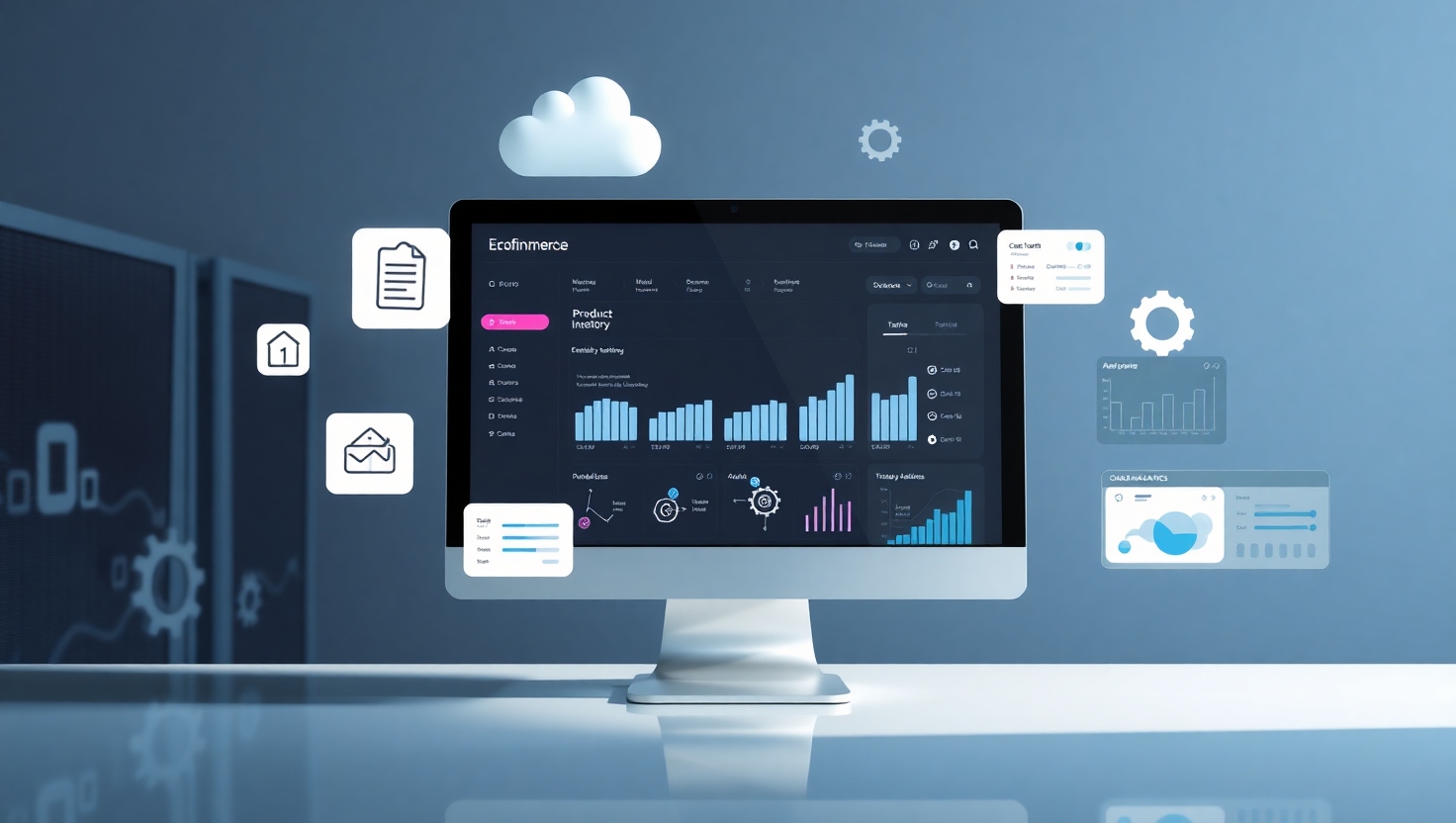
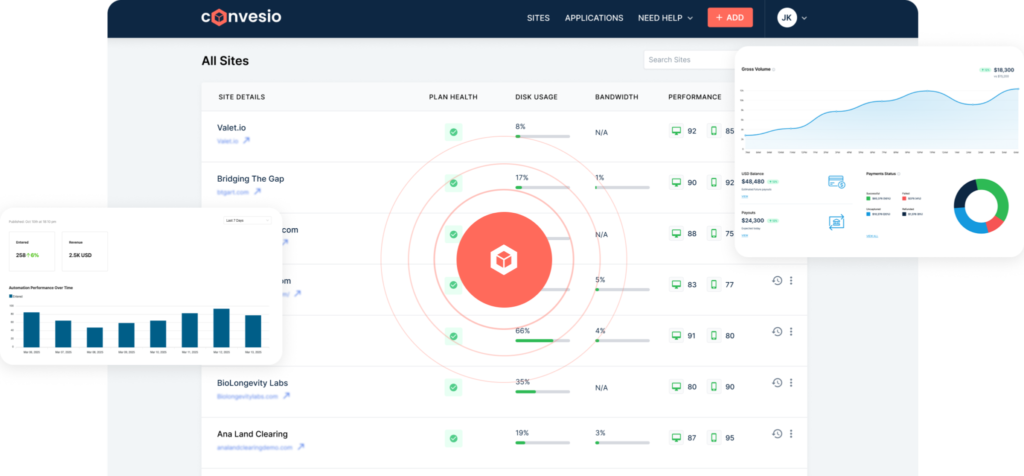
Building and growing an online business can feel overwhelming. From managing sales to marketing and securing your platform, there’s a lot to handle. Wouldn’t it be easier if everything you needed was in one place? That’s where an all-in-one eCommerce platform comes in, simplifying operations and giving you more time to focus on what matters most—your customers.
As businesses grow, so do their challenges. Balancing performance, security, and user experience can be tricky without the right tools. An integrated solution brings these elements together, helping businesses streamline processes and drive growth. Whether you’re running an online store, offering subscriptions, or managing digital products, having everything connected makes a world of difference.
What if you could spend less time juggling multiple tools and more time scaling your business? Let’s explore how an all-in-one eCommerce platform can transform the way you operate, making your journey smoother and more efficient.
What Is An All In One Ecommerce Platform?
An all-in-one eCommerce platform integrates various tools and services for online businesses into a single solution. It combines essential features like website hosting, inventory management, payment processing, marketing tools, and analytics. By merging these components, it creates a smoother workflow and eliminates the need to juggle multiple systems, ultimately supporting business growth and efficiency.
These platforms simplify daily operations for businesses of all sizes and drive growth by providing a centralized space to manage customer orders, track sales data, and implement promotional campaigns. For instance, instead of relying on separate software for email marketing and transaction tracking, everything is accessible within one platform. Various commerce solutions enhance online business operations, emphasizing their ability to drive growth, profitability, and improve the online shopping experience.
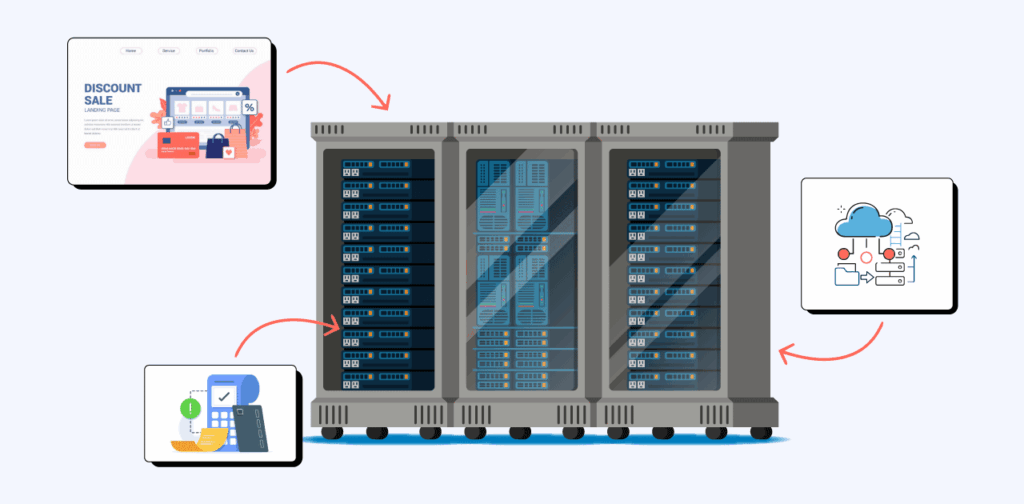
Scalability is another important advantage. Businesses experiencing growth require solutions that can handle increased traffic and transaction volumes. All-in-one platforms are designed with features that adapt to expanding needs, ensuring consistent efficiency. Additionally, these platforms offer more features beyond basic functionalities, such as advanced POS options and integrations with popular marketplaces, catering to a wider array of business needs.
Security is a cornerstone of these platforms. They include advanced measures to protect sensitive data, providing peace of mind to both businesses and their customers. Features like SSL encryption and compliance with industry standards safeguard transactions and personal information.
An integrated eCommerce solution saves time and resources. Managing multiple standalone tools often leads to complications, but a consolidated system reduces this risk. What challenges are you currently facing with your business processes, and could combining solutions help you achieve better results?
Introduction to Ecommerce
Ecommerce, also known as electronic commerce, refers to the buying and selling of goods and services over the internet. It has become an essential part of the digital economy, allowing businesses to reach a global audience and customers to shop from the comfort of their own homes. An ecommerce platform is a software application that enables online selling, providing businesses with the tools they need to manage their online stores, process payments, and fulfill orders. With the rise of ecommerce, businesses can now expand their reach, increase sales, and improve customer satisfaction. Whether you’re a small business owner or a large enterprise, leveraging an ecommerce platform can help you tap into new markets and drive profitable growth.
Definition and Importance

Ecommerce, or electronic commerce, refers to the buying and selling of goods and services over the internet. It has become an essential part of the digital economy, allowing businesses to reach a global audience and customers to shop from anywhere in the world. An ecommerce platform is a software application that enables online selling, providing businesses with the tools they need to manage their online stores, process payments, and fulfill orders. These platforms empower businesses to create and maintain their online stores, ensuring a smooth and efficient operation that meets the demands of modern consumers. By leveraging an ecommerce platform, businesses can enhance their reach, streamline their operations, and ultimately drive growth and profitability.
Key Features To Look For
Choosing an all-in-one eCommerce platform can simplify operations and drive business growth. Understanding essential features helps in identifying a solution that aligns with your goals.
Website Builder and Customization
A versatile website builder is essential for creating a fast, responsive, and professional storefront, allowing users to create professional stores without technical skills. Look for drag-and-drop functionality to simplify design, especially if coding expertise is limited. Customizable templates and flexibility in layout options let businesses reflect their branding without restrictions. How important is having complete creative control over your website’s appearance? Additionally, purchasing a custom domain is crucial for professional branding and enhanced functionality.

Payment Gateways Integration
Support for multiple payment gateways enables smoother transactions and improves customer convenience. Platforms offering integrations with major providers help businesses cater to a wider audience. This is especially crucial for processing international payments and reducing cart abandonment rates. Can your current setup handle the variety of payment methods customers prefer?
Inventory and Order Management
Centralized tools for monitoring stock levels, updating inventory, and managing orders improve efficiency. The platform allows for the easy management of multiple brands and inventory locations. Real-time updates prevent overselling and help maintain accurate records. Features like automated order tracking can save time and enhance customer satisfaction. These features are easily managed even during high sales periods. Is your order management process optimized to avoid errors during high sales periods?
Marketing Tools and Analytics
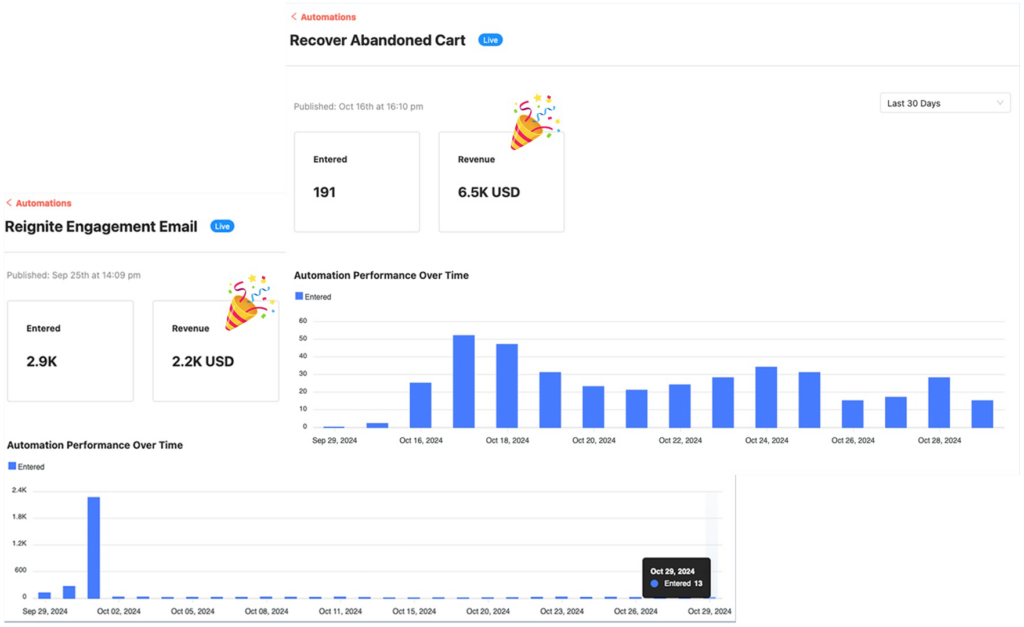
Access to email campaigns, social media management, and SEO tools supports growth efforts. Effective advertising strategies are crucial in supporting these growth efforts by enhancing brand visibility and customer engagement. Integrated analytics provide actionable insights into customer behavior and sales trends. Platforms offering built-in A/B testing capabilities simplify campaign refinement. Are your marketing strategies backed by comprehensive data for better decision-making? Integrating retail media strategies with various marketing tools can further enhance brand visibility and improve customer engagement by personalizing promotions based on consumer behavior.
Managing Online Stores
Managing an online store requires a comprehensive approach, including website design, product management, order fulfillment, and customer service. An ecommerce platform should provide businesses with the tools they need to manage their online stores efficiently, including inventory management, shipping integration, and payment processing. Additionally, businesses should focus on creating a unified customer experience, providing customers with a seamless shopping experience across multiple channels and devices. By streamlining operations and improving customer satisfaction, businesses can drive growth and increase revenue. A well-managed online store not only attracts more customers but also ensures they have a positive experience, encouraging repeat business and fostering brand loyalty.
Multiple Storefronts and Inventory Management
Managing multiple storefronts and inventory locations can be a complex task, but with the right ecommerce platform, businesses can simplify their operations and improve efficiency. A comprehensive platform should provide businesses with the ability to manage multiple storefronts, track inventory levels, and fulfill orders from one dashboard. This allows businesses to focus on growing their sales and expanding their customer base, rather than getting bogged down in operational details. By leveraging advanced features such as automated inventory management and shipping integration, businesses can reduce costs, improve customer satisfaction, and streamline operations. This streamlined approach ensures that stock levels are accurately maintained across all locations, preventing overselling and stockouts, and ultimately enhancing the overall customer experience.
Launching and Managing an Online Store
Launching and managing an online store requires a comprehensive ecommerce platform that can handle all aspects of online selling. This includes website design, product management, payment processing, and order fulfillment. A good ecommerce platform should be user-friendly, scalable, and secure, with features such as inventory management, shipping integration, and customer relationship management. These features ensure that businesses can efficiently manage their entire store from a single location, reducing the complexity of operations and allowing them to focus on growth. By providing a seamless and unified customer experience, businesses can attract and retain customers, driving sales and fostering long-term success.
One Platform and Launch Fast
With a single platform, businesses can launch their online stores quickly and easily, without the need for technical expertise. This allows them to focus on marketing and sales, rather than worrying about the technical aspects of their online store. A one-platform solution also provides a unified customer experience, making it easier for customers to navigate and shop on the website. By streamlining the setup process, businesses can get their online stores up and running in no time, enabling them to capitalize on market opportunities and drive sales. The simplicity and efficiency of a single platform solution ensure that businesses can deliver a consistent and engaging shopping experience to their customers.

Top Benefits Of Using An All In One Ecommerce Platform
Choosing an all-in-one eCommerce platform can simplify how businesses operate. By integrating essential tools into one solution, these platforms aim to streamline day-to-day management and foster growth.
Streamlined Operations
Managing multiple systems can overwhelm any business. Powerful tools in multi-store eCommerce solutions enable businesses to manage multiple storefronts efficiently. An all-in-one platform brings tools like hosting, payment processing, inventory tracking, and analytics into one space. Managing multiple sites can complicate tracking customers and creating a unified experience, but a single platform can address these issues by synchronizing data and preventing discrepancies in pricing and stock levels across all sites. This consolidation creates a centralized workflow. For example, instead of switching between different software to track sales and update inventory, users handle it all within a single platform. What would you do with the time saved by simplifying these tasks?
Cost-Effectiveness
Investing in separate tools for hosting, marketing, security, and payment processing adds up. An integrated platform combines these services into one package, often at a reduced expense. Businesses save money not only by cutting extra subscriptions but also by reducing time spent managing disparate solutions. Isn’t it more efficient to allocate resources to strategic growth rather than operational fixes?
Scalability and Growth
Business demands grow as traffic increases and transactions multiply. A unified eCommerce platform meets these needs with scalable systems designed to handle evolving requirements seamlessly. Features like adaptive hosting and integrated marketing tools support businesses through expansion. Additionally, a robust eCommerce platform can unlock new revenue streams by providing capabilities such as inventory management and data analysis. How ready is your current setup to improve operational efficiency and support long-term growth?
Business Growth and Optimization
To drive business growth and optimization, businesses should focus on creating a comprehensive digital commerce strategy, including ecommerce, social media, and online marketing. Enhancing the online shopping experience is crucial to reach and convert more customers. By leveraging data and analytics, businesses can gain insights into customer behavior, preferences, and purchasing habits, allowing them to optimize their marketing efforts and improve conversion rates. Additionally, businesses should focus on managing multiple product lines within online stores to enhance efficiency and organization. Advanced e-commerce platforms facilitate the management of distinct product lines, streamlining operations and reducing costs. By creating a seamless customer experience, providing customers with a unified and personalized experience across multiple channels and devices, businesses can stay ahead of the competition and achieve long-term success. A well-rounded strategy that integrates various sales channels and marketing tools can significantly enhance a business’s ability to attract and retain customers.
Digital Commerce and Conversion Rates
Digital commerce is a critical component of any ecommerce strategy, allowing businesses to reach a global audience and drive sales. To optimize conversion rates, businesses should focus on creating a seamless and personalized customer experience, providing customers with relevant product recommendations, streamlined checkout processes, and secure payment options. By leveraging advanced features such as AI-powered product recommendations and personalized marketing campaigns, businesses can improve customer engagement, drive sales, and increase revenue. Additionally, businesses should focus on optimizing their website design, ensuring that it is user-friendly, mobile-responsive, and provides a seamless shopping experience. By driving conversion rates and improving customer satisfaction, businesses can achieve long-term success and stay ahead of the competition. A focus on digital commerce not only enhances the shopping experience but also provides valuable insights into customer preferences and behaviors, enabling more effective marketing strategies.
How To Choose The Right Platform For Your Business
Selecting the best eCommerce platform is a significant decision for any business. The right choice optimizes efficiency, enhances customer experiences, and supports long-term growth.
Assessing Your Business Needs
Start by identifying the specific requirements of your business. What products or services do you offer? Do you plan to expand into new markets? Consider the volume of transactions you expect and the type of customer experience you’d like to provide. Ongoing monitoring and analysis of various factors such as sales data and customer behavior can help identify areas for improvement and optimize your operations. Think about functional needs like inventory management, integration with shipping providers, and payment processing options. If your business has seasonal sales or surges in demand, a scalable solution may prove beneficial. Additionally, incorporating customer relationship management (CRM) systems is essential for managing customer interactions efficiently and creating a unified customer experience across various platforms.
Comparing Pricing and Features
Evaluate the cost-effectiveness of each platform. Compare subscription fees with the features included, such as built-in marketing tools, hosting services, and analytics dashboards. Does the platform offer a clear structure for pricing tiers? Check for transaction fees or extra charges associated with add-ons. Look for solutions that balance affordability with functionality, helping to maintain profitability without compromising on tools essential for your operations. Integrating third party tools can significantly enhance the functionality of your e-commerce platform. Some platforms offer more features in their higher-tier plans, providing advanced POS options or integrations with popular marketplaces to cater to a wider array of business needs.
Evaluating Customer Support
Reliable customer support can save time and prevent disruptions. Reliable support is crucial in maintaining operational efficiency and preventing disruptions. Research the availability of support channels, such as live chat, email, or phone. Does the platform offer support during critical periods, like high-traffic sales events? Read reviews or explore testimonials to gauge how responsive and helpful the support team is in resolving issues. Strong support fosters a smoother experience for your business operations, and access to community forums can significantly enhance the user experience.
Conclusion
An all-in-one eCommerce platform offers the tools and flexibility businesses need to thrive in an increasingly competitive digital landscape. By consolidating essential features into a single, powerful solution, these platforms simplify daily operations, enhance security, and support long-term growth. Choosing the right platform tailored to your business needs can be a game-changer, helping you save time, reduce costs, and focus on delivering exceptional customer experiences. It’s time to streamline your processes and unlock your business’s full potential with the right eCommerce solution.
Ecommerce Solution and Business Success
A comprehensive ecommerce solution is essential for business success in the digital age. It provides businesses with the tools they need to manage their online stores, drive sales, and improve operational efficiency. With features such as marketing tools, sales data analysis, and customer behavior tracking, businesses can make data-driven decisions to optimize their online selling strategies and improve their bottom line. By streamlining operations and reducing costs, businesses can focus on what matters most – driving growth and revenue. An effective ecommerce solution not only enhances the operational efficiency of businesses but also empowers them to create personalized and impactful marketing campaigns, ultimately driving sales and fostering long-term success.
Frequently Asked Questions
What is an all-in-one eCommerce platform?
An all-in-one eCommerce platform is a comprehensive commerce solution that integrates essential tools and services for online businesses. These platforms offer features like website hosting, inventory management, payment processing, marketing tools, and analytics in one system, simplifying daily operations and reducing the need for multiple software. Managing everything from a single location enhances efficiency, reduces costs, and optimizes operations within the e-commerce landscape.
How does an all-in-one eCommerce platform simplify operations?
All-in-one eCommerce platforms consolidate tools into a single dashboard, allowing businesses to manage tasks like sales, marketing, and inventory from one place. This streamlines workflows, reduces complexity, and saves time, enabling business owners to focus on growing their business.
What are the top benefits of using an all-in-one eCommerce platform?
The main benefits include streamlined operations, cost savings by reducing the need for multiple subscriptions, scalability to handle growth, and enhanced security to protect sensitive data. It helps businesses operate efficiently and supports their long-term success.
How do I choose the right eCommerce platform for my business?
Consider your specific needs, such as product offerings, transaction volume, and customer experience goals. Compare pricing, features, and customer support. Look for a platform that aligns with your business requirements and offers scalability to adapt as your business grows.
Are all-in-one eCommerce platforms scalable?
Yes, these platforms are designed to handle increased traffic and transaction volumes, making them highly scalable. They adapt to growing business demands, ensuring smooth operations as your business expands.
What security features do these platforms offer?
All-in-one eCommerce platforms typically include advanced security measures like SSL encryption, PCI compliance, and fraud detection tools. These features protect sensitive data, ensuring both customers and businesses remain secure during transactions.
Can using an all-in-one platform save me money?
Yes, because these platforms integrate multiple features into a single solution, they help reduce the need for separate software subscriptions. This cost-effective approach can save both money and time.
Are marketing tools included in all-in-one platforms?
Yes, most all-in-one eCommerce platforms come with built-in marketing tools. These may include email marketing, social media integration, SEO tools, and performance analytics to help businesses grow and make data-driven decisions.
What key features should I look for in an eCommerce platform?
Look for features like a user-friendly website builder, multiple payment gateway support, centralized inventory management, integrated marketing tools, analytics, and strong customer support. These features ensure better efficiency and enhance overall user experience.


