
All in One Ecommerce Websites: Simplify Ecommerce Management

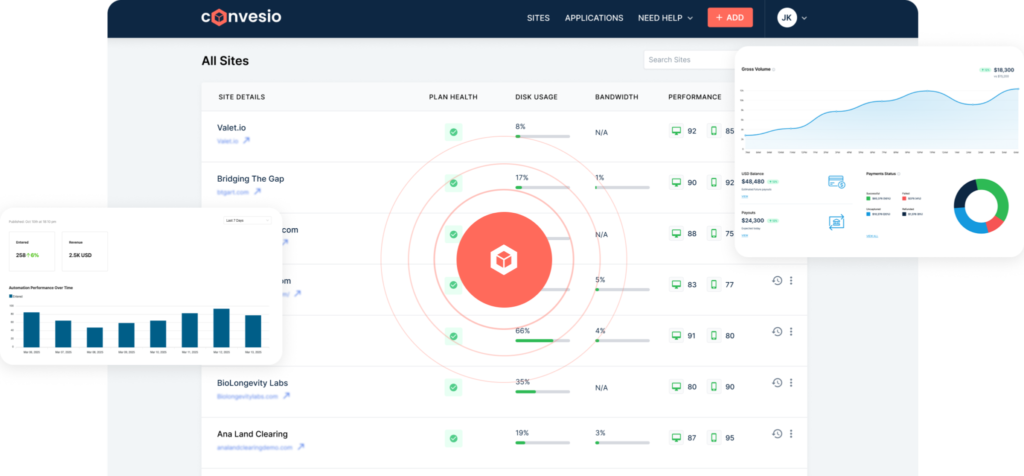
Building and managing an online store can feel overwhelming, especially with so many moving parts to consider. From hosting and security to payments and marketing, the pieces need to work seamlessly together to create a smooth experience for both businesses and customers. Wouldn’t it be easier if everything you needed was in one place?

All-in-one eCommerce websites are changing how businesses approach online selling. They simplify operations by combining essential tools into a single platform, saving time and reducing stress. Whether you’re running a growing store, a subscription service, or an educational platform, these solutions help streamline processes and focus on what matters most—growing your business.
How can these platforms make your life easier and your business more efficient? Let’s explore how they bring together key features to support your goals and create a more sustainable path to success.

What Are All In One Ecommerce Websites?
All-in-one eCommerce websites streamline online selling by bringing all the tools and resources together. These platforms enhance the online shopping experience by integrating various eCommerce features. They combine hosting, payment processing, marketing tools, and security features into a single, cohesive platform. This eliminates the need for managing separate services, saving time and reducing operational hurdles.
These platforms address the common challenges businesses face. How do you simplify store management without sacrificing performance? How do you integrate key components efficiently? All-in-one solutions answer these questions by offering seamless functionality and centralized control, helping businesses operate more effectively.
By integrating features like customizable design options, advanced analytics, and customer relationship tools, these platforms empower businesses to focus on growth rather than logistics. Examples include integrating payment solutions directly into the website or optimizing hosting for better loading speeds. This approach gives companies the agility they need to adapt to an increasingly digital marketplace.
For businesses aiming to enhance both their efficiency and reach, all-in-one eCommerce solutions stand out as a practical choice. They reduce complexity while enhancing overall store performance, meeting the needs of modern online sellers.

Introduction to Ecommerce
Ecommerce, or electronic commerce, refers to the process of buying and selling goods or services online. It has become an essential part of the retail industry, with more and more businesses setting up online stores to reach new customers and increase sales. An ecommerce platform is a software application that enables businesses to create and manage their online stores, allowing them to sell online and process transactions securely. When choosing an ecommerce platform, it’s essential to consider factors such as ease of use, customization options, payment processing, integrations with other tools and services, and the basic features necessary for your business.
Key Features Of All In One Ecommerce Websites
Best ecommerce website builder platforms simplify building, managing, and growing online businesses. These platforms combine essential functionalities, allowing businesses to operate efficiently without juggling multiple tools.
Website Building And Customization
Intuitive design interfaces make website creation accessible, even without technical expertise. Drag-and-drop builders provide flexibility to adjust layouts to match brand aesthetics. Pre-designed templates simplify the process while offering design variety. AI tools can generate unique product descriptions quickly, improving conversions and SEO results. Advanced users can further modify elements using editable code for a more personalized touch. Additionally, connecting a custom domain enhances the online presence of an eCommerce store, contributing to branding and professionalism.
Payment Processing Integrations

Integrated payment gateways make transactions seamless and secure. Multiple payment options—like credit cards, digital wallets, and direct bank transfers—enhance customer satisfaction. These integrations allow businesses to start selling immediately, streamlining the online sales process. Automated tax calculations ensure compliance with various regulations, reducing manual workload. It is also important to consider transaction fees when choosing payment options, as these can impact the overall cost of using different e-commerce platforms.
Inventory Management

Centralized inventory tracking helps monitor stock levels across multiple locations or sales channels. Low-stock alerts avoid over-selling and maintain smooth operations. Bulk import/export features enable fast updates to product catalogs. Integration with suppliers ensures timely restocking for high-demand items.
Marketing And SEO Tools
Built-in marketing features help promote products effectively. Email campaign tools allow personalized communication, increasing customer engagement. Automated email campaigns can be triggered by specific customer actions, like post-purchase follow-ups or cart abandonment reminders, enhancing customer retention and sales. SEO optimization tools, like meta tag editors and keyword suggestions, improve visibility on search engines. Analytics dashboards offer insights into campaign performance and traffic trends. These features support businesses in reaching and retaining their ideal audience. By measuring these aspects, businesses can effectively identify areas for improvement.
Ecommerce Analytics and Data
Ecommerce analytics and data, along with powerful tools, play a crucial role in understanding customer behavior, tracking sales, and identifying areas for improvement. A good ecommerce website builder should provide robust analytics and reporting tools to help businesses make data-driven decisions. This includes tracking website traffic, sales data, customer demographics, and other key performance indicators (KPIs). By analyzing this data, businesses can optimize their marketing efforts, improve their website’s user experience, and increase conversions. Additionally, ecommerce platforms should provide tools for managing customer data, including contact information, order history, and preferences.
Benefits Of Using All In One Ecommerce Websites
All-in-one eCommerce websites simplify online business management by combining essential built-in tools into a single platform. By reducing complexity, they help businesses save resources and focus on growth.
Cost-Effectiveness
Using separate tools often leads to higher expenses due to multiple subscriptions and hidden fees. An all-in-one platform consolidates these services, lowering costs. These platforms offer affordable prices, making them accessible for small businesses looking to sell online. For example, it combines hosting, payment processing, and marketing tools under one package, minimizing overlapping charges. Businesses can allocate these savings to growth initiatives like advertising or product development. Additionally, many platforms provide a free plan, allowing users to start an online store with no upfront costs and the option to upgrade as their business grows.
Streamlined Operations
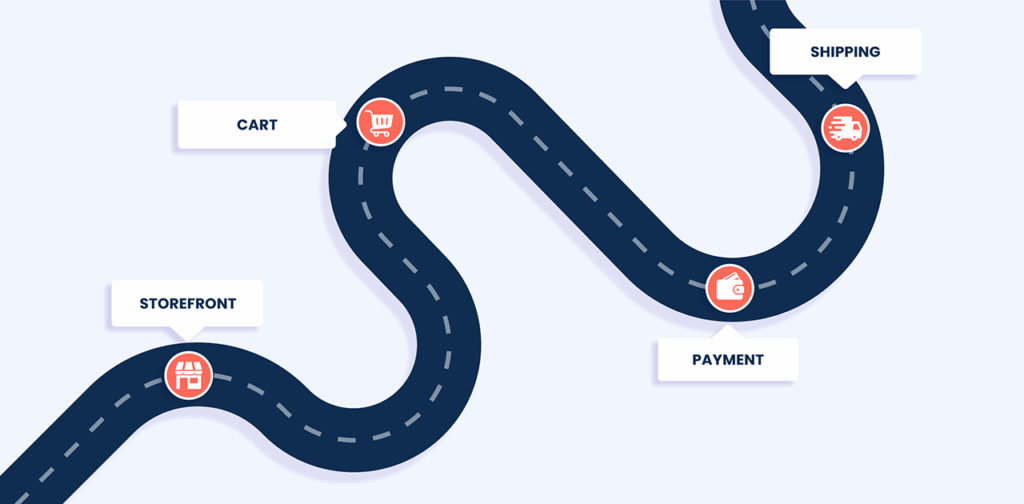
Managing different tools can create inefficiencies and increase the risk of errors. With everything integrated, it’s easier to oversee operations from inventory management to customer support. A single dashboard allows businesses to track customer details and sales without needing to switch between different applications. Centralized dashboards provide clear insights into sales, stock, and performance metrics. This holistic approach simplifies decision-making and reduces the need for switching between systems. How much time could be saved by managing your entire store in one place?
Additionally, integrating eCommerce features into an existing website provides businesses with flexibility and ease of use, enhancing their online presence without the need to create a separate online store.
Scalability
Growth introduces new challenges, but these platforms are built to adapt. Whether you’re adding products, expanding to markets with higher demand, or introducing new payment options, all-in-one systems support these changes without requiring separate upgrades. These platforms also support high volume sales, ensuring efficient handling of increased demand during peak times. This flexibility supports businesses in maintaining performance as they grow, avoiding bottlenecks during scale-up phases. Are your current tools ready to grow with your business? Additionally, the ability to sell internationally is crucial for business growth, as it allows you to reach global markets with features like multilingual support, currency converters, and international shipping management.
How To Choose The Right All In One Ecommerce Website
Selecting the right all-in-one eCommerce platform requires thoughtful analysis. Each business has distinct goals, so the ideal choice balances functionality, cost, and usability. Additionally, selecting a suitable domain name is crucial as it reflects the brand’s identity and is vital for attracting customers.
Assess Your Business Needs
Start by identifying the tools your business requires. Do you need advanced inventory tracking, integrated payment options, or extensive marketing features? Built-in features facilitate business management and marketing capabilities, ensuring seamless integration with other business tools. Think about your sales volume, anticipated growth, and customer engagement strategies. For online learning platforms or subscription-based businesses, look for platforms that support those models specifically. Knowing your priorities narrows the options and avoids unnecessary features. Additionally, having a dedicated team to manage complex online stores is crucial for customization, support, and compliance.
Compare Pricing And Features
Evaluate the cost structures of available platforms, considering your budget. Paid plans offer essential services such as automated sales tax handling and real-time shipping rates, enhancing user experience and capabilities. Are there any hidden fees for transactions or premium features? Compare what features are included at each pricing tier. For example, does a plan support high-traffic scalability or offer built-in analytics? Choose a solution that maximizes value and aligns with your operational needs while leaving room for future expansion and more features.
Consider Ease Of Use And Support
Choose a platform with an intuitive interface suited to your team’s technical expertise. Does the platform offer user-friendly design tools like drag-and-drop functionality? Reliable support is also essential. Having knowledgeable support staff available through various communication channels ensures prompt assistance and solutions for users. Look for providers offering round-the-clock assistance or detailed knowledge bases. Smooth usability and accessible support enhance your experience and reduce potential setbacks. Additionally, a powerful platform for managing multiple online stores from a single customizable interface can significantly improve efficiency, scalability, and flexibility, providing a better shopping experience for your customers.
Ecommerce Solutions
Ecommerce solutions refer to the various tools and services that enable businesses to create and manage their ecommerce store. This includes website builders, payment gateways, shipping integrations, and marketing tools. A comprehensive ecommerce solution should provide all the necessary features and tools to start selling online, including customizable themes, product management, order management, and customer management. Some ecommerce platforms also offer additional features such as built-in SEO tools, social media integrations, and email marketing automation. When choosing an ecommerce solution, businesses should consider their specific needs and goals, as well as the level of support and customization required.
Additional Considerations
When setting up an ecommerce website, there are several additional considerations to keep in mind. These include the cost of monthly fees, payment processing fees, and hosting costs. Businesses should also consider the level of customization required, as well as the need for advanced features such as abandoned cart recovery, product reviews, and loyalty programs. Additionally, ecommerce websites should be optimized for mobile devices, with a responsive design and fast loading speeds. By considering these factors, businesses can create a successful ecommerce website that attracts and retains customers, drives sales, and grows their online presence. It is also crucial to incorporate diverse shipping methods to cater to customer preferences and ensure a seamless experience.
Digital Products and E Commerce
Digital products, such as ebooks, software, and online courses, are becoming increasingly popular in the ecommerce market. Ecommerce platforms should provide tools and features specifically designed for selling digital products, including digital downloads, licensing, and subscription management. Businesses selling digital products should also consider the need for secure payment processing, reliable hosting, and efficient customer support. By leveraging the right ecommerce platform and tools, businesses can successfully sell digital products online, reach new customers, and grow their revenue streams. With the right ecommerce solution, businesses can start selling online immediately, with unlimited products, automated emails, and powerful marketing tools at their disposal. Additionally, utilizing free ecommerce resources, such as free online courses and website builders, allows businesses to test their eCommerce ventures with minimal investment while providing features that support business growth.
Ecommerce Site Design and Development
Ecommerce site design and development are crucial aspects of creating a successful online store. A well-designed eCommerce website can help businesses establish a strong online presence, increase customer engagement, and drive sales. When choosing an eCommerce platform, consider the design and development features that will help you create a visually appealing and user-friendly website. Look for platforms that offer customizable themes, drag-and-drop builders, and responsive designs that adapt to different devices and screen sizes. These features ensure that your online store looks professional and functions smoothly, regardless of how customers access it. Additionally, consider the ease of use and scalability of the platform to ensure that it can grow with your business.
Ecommerce Security and Scalability
Ecommerce security and scalability are essential considerations for businesses that want to protect their customers’ data and ensure a smooth online shopping experience. A secure eCommerce platform should have built-in security features, such as SSL certificates, encryption, and secure payment processing. These features help safeguard sensitive information and build customer trust. Scalability is also critical, as it ensures that your online store can handle increased traffic and sales without compromising performance. Look for eCommerce platforms that offer automatic backups, redundant servers, and load balancing to ensure that your website remains available and responsive even during peak periods. Platforms like BigCommerce and Magento are known for their advanced security and scalability features, helping businesses protect their customers’ data and ensure a seamless online shopping experience.
Ecommerce Customer Support
Ecommerce customer support is a critical aspect of building trust and loyalty with your customers. A good eCommerce platform should offer reliable and responsive customer support to help businesses resolve issues and answer questions promptly. Look for platforms that offer multiple support channels, such as phone, email, and live chat, as well as comprehensive documentation and resources to help businesses get started and troubleshoot common issues. High-quality customer support can make a significant difference in customer satisfaction and retention. Platforms like Ecwid and Square Online are known for their excellent customer support and resources, helping businesses succeed in the competitive eCommerce market by providing the assistance they need when they need it.
Ecommerce Business Models
Ecommerce business models vary widely, and the right model for your business will depend on your products, target market, and goals. Some common eCommerce business models include business-to-consumer (B2C), business-to-business (B2B), and dropshipping. B2C eCommerce involves selling products directly to individual customers, while B2B eCommerce involves selling products to other businesses. Dropshipping involves partnering with a supplier to sell their products without holding any inventory. Each model has its pros and cons, and the best choice will depend on your specific business needs and objectives.
The eCommerce industry is constantly evolving, and staying up-to-date with the latest trends and technologies is essential for businesses that want to remain competitive. Some current eCommerce trends include the use of artificial intelligence (AI) and machine learning (ML) to personalize the online shopping experience, the rise of social commerce and influencer marketing, and the increasing importance of mobile optimization and responsive design. In the future, we can expect to see even more emphasis on personalized and immersive shopping experiences, as well as the use of emerging technologies like augmented reality (AR) and virtual reality (VR) to enhance the online shopping experience. Platforms like Wix and Squarespace offer features and tools to help businesses stay ahead of the curve and capitalize on the latest eCommerce trends and technologies, ensuring they can continue to attract and engage customers in an ever-changing digital landscape.
Conclusion
All-in-one eCommerce websites offer a powerful way to simplify and elevate online business operations. By bringing essential tools together in one platform, they help businesses save time, reduce costs, and focus on growth. These solutions are designed to adapt to evolving needs, making them a smart investment for long-term success.
Choosing the right platform comes down to understanding your goals and finding a solution that aligns with your vision. With the right all-in-one eCommerce website, we can streamline operations, enhance customer experiences, and build a strong foundation for sustainable growth in the digital marketplace.
Frequently Asked Questions
What is an all-in-one eCommerce website?
An all-in-one eCommerce website is a platform that integrates essential tools for online selling, including hosting, payment processing, security, marketing tools, and inventory management. These platforms offer a full eCommerce solution, providing all necessary components for successfully managing and growing an online business. It simplifies store management by consolidating these features into one system, reducing the need for multiple separate services.
How do all-in-one eCommerce platforms simplify online store management?
These platforms centralize key components like website design, payment processing, stock management, and marketing. With everything in one place, businesses save time, reduce complexity, and can focus on growing their operations.
What are the benefits of using an all-in-one eCommerce solution?
The main benefits include cost savings, ease of use, and scalability. These platforms streamline operations, eliminate inefficiencies, reduce subscription costs for separate tools, and provide flexibility for future business growth.
Can I use an all-in-one eCommerce platform without technical experience?
Yes, most platforms offer user-friendly interfaces with drag-and-drop builders and pre-designed templates. These features make website creation and management accessible even for those without technical expertise.
Are all-in-one eCommerce platforms secure for online transactions?
Absolutely. These platforms generally include integrated security features like SSL certificates and payment encryption, ensuring safe and secure transactions for customers.
What features should I look for in an all-in-one eCommerce solution?
Key features to prioritize include customizable web design, integrated payment options, inventory management, marketing tools, SEO capabilities, and analytics to track performance and customer engagement.
How can an all-in-one eCommerce platform support business growth?
By providing scalable tools and efficient management systems, these platforms make it easier to expand product offerings, improve marketing efforts, and manage larger operations without needing separate systems or upgrades.
How do I choose the right all-in-one eCommerce platform?
Start by assessing your business needs, budget, and goals. Compare features, pricing, and support options. Select a platform with a user-friendly interface, essential tools for your business, and the flexibility to grow with your store.
Are these platforms suitable for small businesses?
Yes, all-in-one eCommerce platforms are ideal for small businesses. They offer cost-effective solutions, reduce technical barriers, and provide tools to compete effectively in the digital marketplace.


