The Ultimate Guide to Building a Successful E-Commerce Store

Starting an e-commerce store can feel like an exciting yet overwhelming journey. With so many options and decisions to make, it’s easy to wonder where to begin or how to stand out. We all want our online store to thrive, but what really sets a successful one apart?
Whether you’re launching your first store or looking to refine an existing one, building a strong foundation is key. From choosing the right platform to creating a seamless shopping experience, every step matters. How do we turn visitors into loyal customers and create a shopping experience they’ll remember?
In this guide, we’ll break down the essentials of crafting an online store that works for you and your customers. Let’s explore practical strategies and actionable insights to help your e-commerce business grow with confidence.
Understanding The Basics Of E-Commerce
E-commerce has reshaped how businesses and consumers interact. Whether you’re starting fresh or expanding, grasping its core principles is essential for building a successful online store.
What Is E-Commerce?
E-commerce refers to buying and selling goods or services online. This includes online storefronts, digital transactions, and electronic payments. Beyond websites, e-commerce encompasses platforms and apps that facilitate these exchanges. Whether a small business selling handmade items or a global brand, e-commerce allows businesses to reach customers without physical location constraints.
It’s not just about selling products; it’s about creating a seamless, efficient experience. Customers expect secure transactions, fast loading times, and clear product descriptions. Establishing trust is vital for success in the digital space.
Benefits Of Starting An E-Commerce Store
E-commerce stores offer flexibility that physical stores can’t match. Businesses can operate 24/7, allowing customers to shop anytime. This constant accessibility helps increase sales opportunities globally.
Operating costs are generally lower compared to traditional stores. There’s no need for high rents or managing extensive in-store inventory. These savings make it easier to scale operations and invest in marketing or product development.

Data collection is another significant advantage. Online stores can track customer preferences, purchasing habits, and trends. This data helps us make informed decisions, refine product offerings, and personalize customer experiences.
Expanding online provides access to a broader market. Instead of relying on local traffic, businesses can attract customers worldwide by implementing strategic marketing and localization techniques.
How can an e-commerce store transform your business? Are you ready to explore the possibilities?
Planning Your E-Commerce Store
Careful planning lays the foundation for a profitable e-commerce store. Thoughtful decisions in the early stages can lead to long-term growth and customer satisfaction.
Identifying Your Target Audience
Understanding your audience is key to creating a store that resonates. Who are your potential customers? Consider factors like age, income, location, and interests. Identify their shopping behaviors and pain points. For example, are they looking for eco-friendly products or fast delivery options? Gather data through surveys, social media, and analytics tools to build a customer profile.
Choosing the Right Niche and Products
Selecting the right niche makes it easier to stand out. Focus on areas with demand and gaps in supply. What specific products can you offer that solve a problem or enhance convenience? Analyze trends and examine market data to refine your choices. For instance, health-focused skin care products or smart home devices could cater to growing needs. Inventory should align with your audience’s preferences and purchasing power.
Setting Clear Goals and Strategies
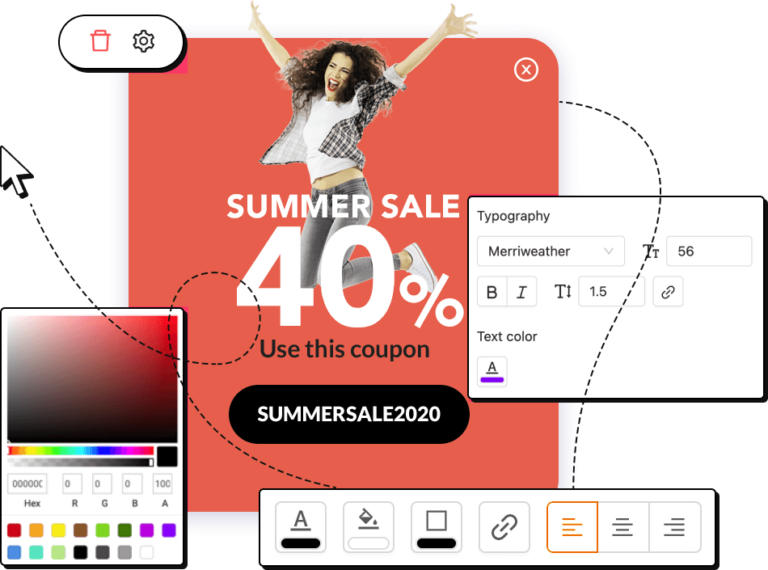
Establish achievable objectives to guide decision-making and track success. What are your revenue, traffic, and engagement targets? Break these down into measurable plans, like gaining 10% new customers each month or reducing cart abandonment rates by 15%. Use strategies such as content marketing, pay-per-click advertising, and email campaigns to reach these goals. Adjust approaches based on performance data to maximize returns.
Building The Foundation
A strong foundation sets the stage for e-commerce success. Every decision, from the platform to design, impacts how customers interact with the store. Let’s explore the key elements that help create this solid base.
Selecting The Best E-Commerce Platform
Choosing an e-commerce platform determines how the store operates and grows. Platforms offer different features, pricing models, and flexibility. Consider factors like scalability, ease of use, and available integrations. Does the platform support your current needs and future expansion goals? For example, some platforms allow seamless inventory management and support multiple payment gateways, enhancing operational efficiency.
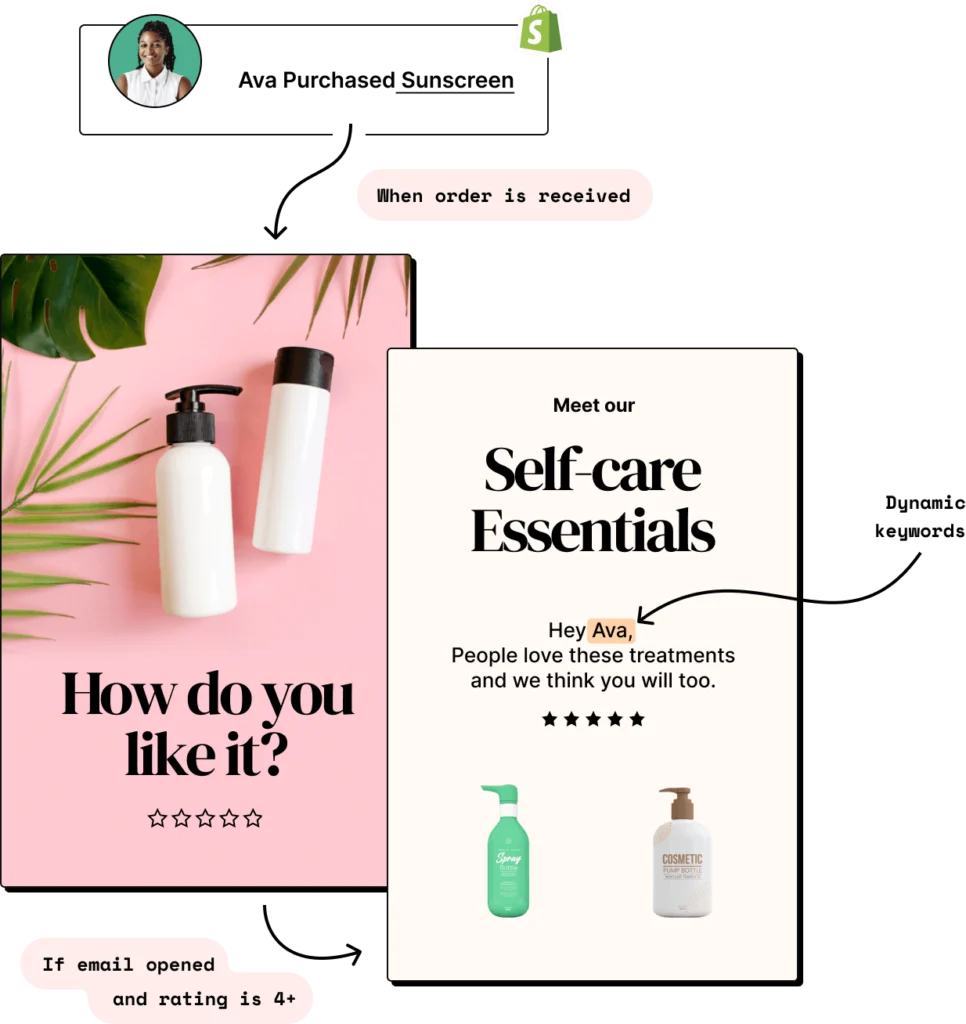
Evaluate customer support options and security features. Reliable support can save hours during technical challenges. Robust security measures, like SSL certificates and PCI compliance, protect sensitive customer information, building trust in the store.
Crafting A User-Friendly Website
A clear, intuitive website layout improves customer experiences. Highlight essential pages like the homepage, product categories, and contact information. Is navigation straightforward, helping visitors find what they’re looking for without frustration?
Focus on high-quality visuals and clear product descriptions. Use professional images, videos, or 360-degree views to showcase items. Write detailed but concise descriptions, pointing out features, dimensions, or other relevant details. This makes shopping decisions easier for customers.
Incorporate features like a search bar and filters. For instance, allowing customers to sort products by price, size, or popularity saves time and enhances usability.
Mobile Responsiveness And Optimization
With a growing number of shoppers using smartphones, mobile optimization is now essential. A responsive design adjusts automatically to different screen sizes, maintaining functionality and appearance. Does your site load quickly and display clearly on mobile devices?
Streamline the checkout process for smaller screens. Include autofill for forms, simple payment options, and avoid redirects. Shoppers are more likely to complete purchases on sites that reduce friction. Test the website on various devices to identify and fix design inconsistencies.
These foundational elements create the framework for an engaging e-commerce store. What steps will you take today to start building or improving yours?
Creating A Winning Strategy
Building an e-commerce store that thrives requires clear strategies that set businesses apart. A thoughtful approach begins with branding, marketing, and seamless customer experiences.
Importance Of Branding And Design
Branding shapes how customers perceive your business. A strong and consistent brand builds trust, which encourages repeat customers. Start by defining your store’s values, voice, and target image. Are your visuals, logo, and tone reflecting your message effectively? Avoid overcrowding designs and focus on clean, cohesive elements that resonate with your audience.
A well-designed online store is vital for capturing attention. For instance, intuitive site structures, attractive layouts, and clear navigation keep visitors engaged. Use high-quality images, readable fonts, and a clear color scheme to create a professional aesthetic. Think about how potential customers will interact with your site; does every element guide them toward making a purchase?
Building A Strong Marketing Plan
Effective marketing attracts and retains engaged customers. Begin by identifying channels where your target audience spends time. Social media platforms, search engines, and email lists are valuable tools. Are you leveraging these spaces to connect with your audience authentically?
Create content that educates, entertains, or solves problems for your customers. For example, blog posts, interactive posts, or exclusive newsletters can solidify relationships. Use paid advertising strategically by focusing on campaigns with measurable goals. Tracking key metrics such as click-through rates and conversions helps refine your strategy over time.
Collaborate with influencers or partners if your audience trusts their recommendations. Establish referral programs that offer discounts for bringing in new customers. Are you thinking creatively to reach untapped audiences while fostering loyalty?
Streamlining Payment And Shipping Options
Simplified transactions ensure a positive shopping experience. Complicated processes lead to cart abandonment. Offer multiple payment methods to suit various customer preferences, such as credit cards, digital wallets, or direct transfers. Be sure your checkout process is quick, secure, and mobile-friendly.
Shipping policies can greatly influence purchasing decisions. Outline clear shipping costs, delivery times, and return options in advance. Speed and transparency create confidence. Tools like tracking systems let customers follow their orders, enhancing trust. Are your shipping and payment processes meeting customer expectations efficiently?
By focusing on these foundational strategies, e-commerce businesses can create long-term customer satisfaction and growth. Think about your strategy holistically—where do the biggest opportunities lie for improvement?
Boosting Customer Engagement
E-commerce success relies heavily on building strong relationships with customers. To create lasting connections, businesses must focus on effective communication, proactive support, and rewarding loyalty.
Utilizing Social Media For Growth
Social media platforms allow us to interact directly with our customers. Sharing engaging content, running interactive polls, and responding to comments makes customers feel valued and heard. For example, posting user-generated content, like photos and reviews, builds trust and fosters community.
Consistency is key to keeping followers interested. Posting regularly, aligning content with customer interests, and leveraging platform-specific features, such as Stories or Reels, drive higher visibility. By analyzing engagement metrics, we can adjust our approach to resonate better with our audience.
Offering Excellent Customer Support
Accessible and quick customer support prevents frustrations and builds trust. Live chat options, detailed FAQs, and easy-to-navigate help centers provide immediate solutions. Proactive communication, like order status updates or following up on complaints, leaves a positive impression.
Clear contact options ensure customers reach support effortlessly. Providing multiple channels such as email, phone, and chat makes the process seamless. Additionally, training support teams to handle inquiries efficiently reflects positively on our brand.
Implementing Customer Retention Strategies
Retaining customers costs less than acquiring new ones, and personalized strategies encourage repeat business. Loyalty programs that offer discounts, exclusive perks, or special offers make customers feel appreciated. For instance, providing discounts on birthdays adds a personal touch.
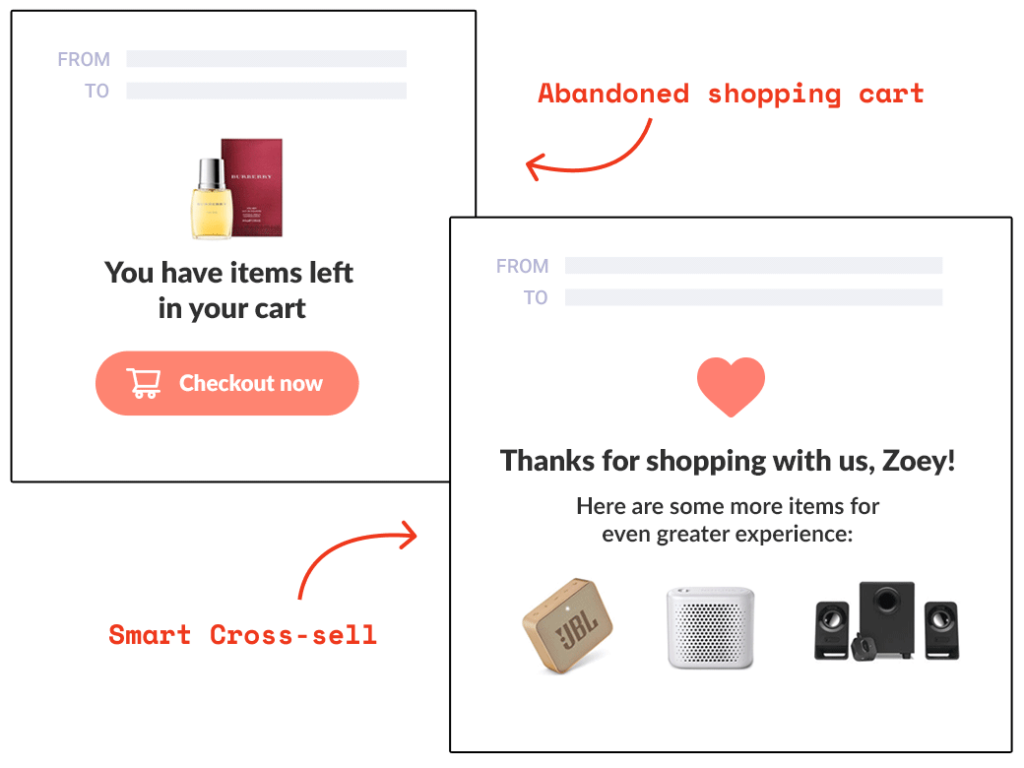
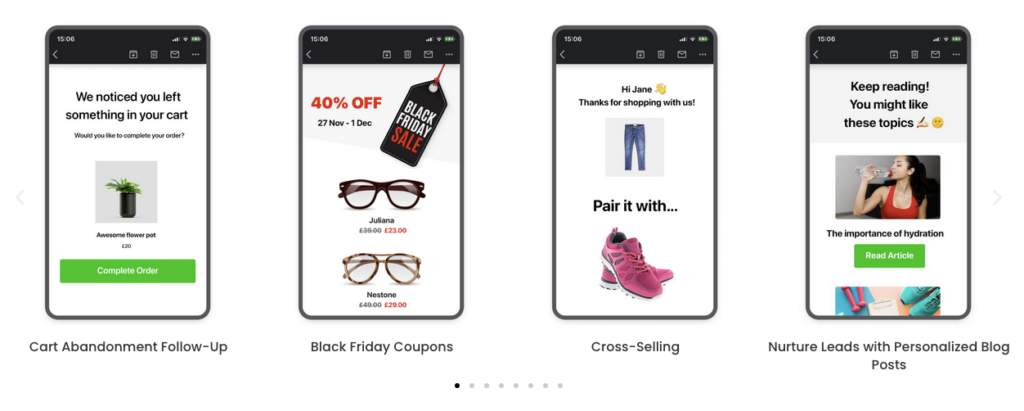
Email marketing is a key tool for ongoing engagement. Updates about sales, new products, or tailored recommendations keep customers interested. We can also boost retention by regularly seeking and acting on customer feedback to improve their experience.
Measuring Success And Scaling
Success requires consistent tracking of performance and strategically scaling operations. Let’s explore how to measure key metrics and expand your e-commerce store effectively.
Tracking Key Performance Metrics
Identifying meaningful performance indicators provides a clear view of progress. Metrics like conversion rate, average order value, and customer acquisition cost shed light on different aspects of business success.
- Conversion Rate: This metric measures the percentage of visitors who complete a purchase. Track this to gauge how well your website converts traffic into sales. Strategies like improving product descriptions or optimizing checkout processes directly impact this figure.
- Customer Lifetime Value (CLV): CLV estimates the revenue a customer generates over their relationship with your store. It reflects customer loyalty and the effectiveness of retention strategies such as email marketing and personalized recommendations.
- Cost Per Acquisition (CPA): CPA identifies how much is spent to acquire each customer. Monitoring this helps refine campaigns to attract cost-effective traffic without compromising quality.
- Cart Abandonment Rate: High rates here indicate potential friction in the buying process. Analyze factors like unexpected shipping costs or complex checkout steps to reduce abandonment.
Are these metrics reflective of your store’s performance goals? Regularly reviewing them helps spot trends and areas needing improvement.
Scaling Your E-Commerce Business Effectively
Scaling involves aligning resources with growth opportunities. Successful expansion often focuses on improving operations, outreach, and product offerings.
- Invest in Automation: Automate repetitive tasks like inventory updates, order processing, and email responses. Solutions that save time allow us to concentrate on enhancing customer experience.
- Expand Product Range: Analyzing customer feedback and market trends identifies potential additions to your catalog. Offer complementary products to target existing customers and attract new segments.
- Optimize Fulfillment: Scaling generates higher order volumes. Efficient fulfillment systems, such as alternative carrier partnerships or warehouse optimizations, avoid delays and maintain satisfaction.
- Focus on Marketing: Use platforms like social media ads or influencer collaborations to reach broader audiences. Consistent branding and engaging content create lasting impressions.
- Leverage Analytical Tools: Use data analytics to refine strategies and forecast outcomes. Tracking customer preferences and industry movements allows decisions to be well-informed.
What steps can you take today to prepare for growth? Begin building systems that can handle increased traffic, orders, and customer demands.
Conclusion
Building a successful e-commerce store is a rewarding journey that requires dedication, strategy, and adaptability. By focusing on key elements like customer experience, branding, and data-driven decision-making, we can create a store that not only attracts visitors but also turns them into loyal customers.
Every step, from planning and platform selection to marketing and scaling, plays a vital role in shaping long-term success. With the right tools and a commitment to continuous improvement, we can navigate the challenges and seize the endless opportunities the e-commerce world offers. Let’s take action and build something extraordinary.
Frequently Asked Questions
What is e-commerce?
E-commerce refers to the buying and selling of goods or services online. It involves transactions on platforms like websites and apps, allowing businesses to interact with customers digitally.
Why should I start an e-commerce store?
Starting an e-commerce store offers benefits like 24/7 operations, lower costs compared to physical stores, and the ability to gather valuable customer data for personalization and improved decision-making.
How do I choose the right e-commerce platform?
Pick a platform based on scalability, user-friendliness, security features, and available customer support. Ensure it fits your business size and future goals.
What is the importance of a user-friendly website for e-commerce?
A user-friendly website enhances customer experience with intuitive navigation, responsive design, high-quality visuals, and clear product descriptions, increasing the likelihood of purchases.
Why is understanding my target audience essential?
Knowing your target audience helps refine your offerings, marketing strategies, and communication to meet their specific needs, improving satisfaction and boosting sales.
How can branding affect my e-commerce success?
A cohesive and professional design builds trust, enhances customer perception, and encourages purchases. Strong branding sets your store apart from competitors.
What marketing strategies work best for e-commerce?
Use a mix of strategies, including social media, email marketing, content creation, SEO, and paid advertisements, to attract and retain customers effectively.
How important are payment and shipping options?
Offering multiple payment options and clear shipping policies ensures a seamless purchase experience, builds trust, and reduces cart abandonment rates.
What are some ways to boost customer engagement?
Engage customers through personalized communication, loyalty programs, active social media presence, and excellent customer support to foster long-term relationships.
How can I track the success of my e-commerce store?
Monitor key metrics like conversion rate, cart abandonment rate, and customer lifetime value. Use analytics tools to identify growth opportunities and optimize strategies.
What strategies help scale an e-commerce business?
To scale, invest in automation, expand product ranges, improve fulfillment processes, enhance marketing efforts, and leverage data analytics for informed decision-making.
Why is customer retention significant in e-commerce?
Customer retention strategies, like loyalty programs and email campaigns, encourage repeat purchases, increase lifetime value, and streamline long-term business growth.