Cart Abandonment: Strategies to Boost Your Online Sales

What is Abandoned Cart Recovery
We’ve all been there—adding items to an online cart only to leave without completing the purchase. For businesses, these abandoned carts represent missed opportunities and potential revenue slipping away. But what if there was a way to turn those lost sales into conversions? That’s where abandoned cart recovery comes in.
Abandoned cart recovery is about re-engaging shoppers who didn’t finish their purchase. It’s a strategy that helps us reconnect with customers, reminding them of what they left behind and encouraging them to return. Why do people abandon their carts, and how can we bring them back? Understanding this process is key to improving sales and building stronger customer relationships.
By focusing on abandoned cart recovery, we can bridge the gap between interest and action. It’s more than just recovering lost sales—it’s about creating a seamless shopping experience that keeps customers coming back. Let’s explore how it works and why it matters.
What Is Abandoned Cart Recovery?
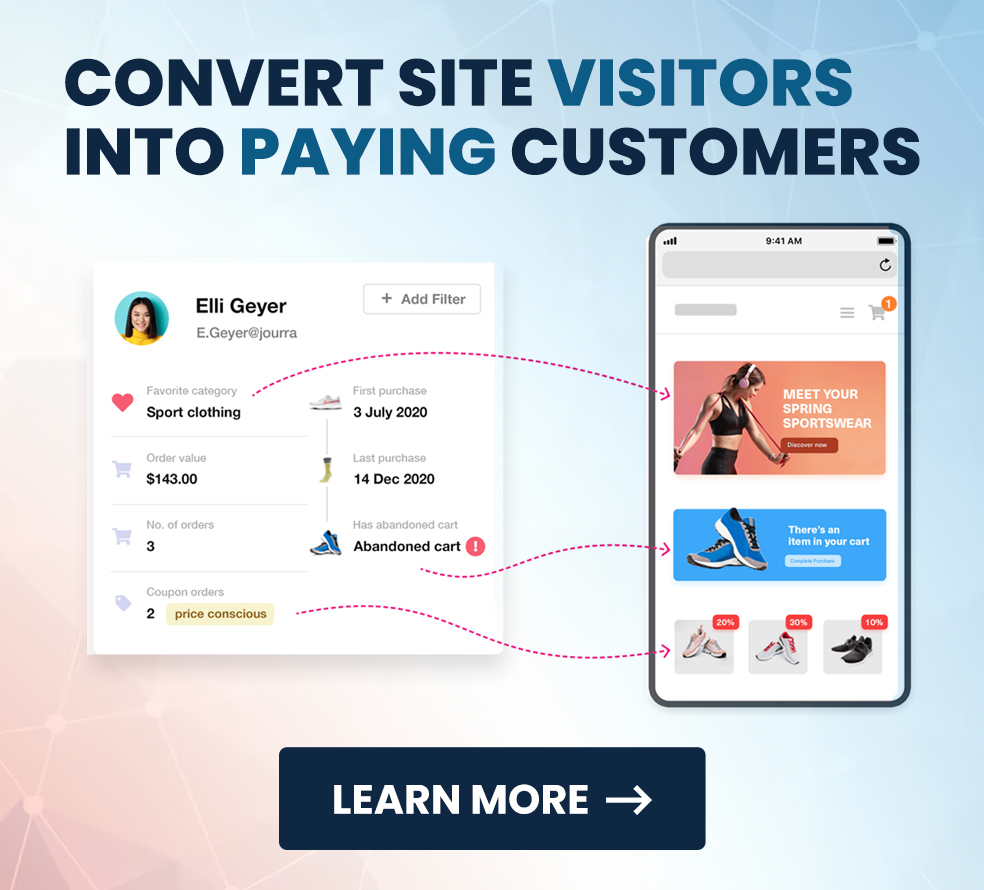
Abandoned cart recovery is a strategy focused on re-engaging shoppers who leave items in their online cart without completing a purchase. This process uses tailored communication methods to remind customers of their unfinished transactions. It often involves sending automated emails, notifications, or personalized offers to encourage customers to return. An effective abandoned cart flow involves a sequence of follow-up messages designed to re-engage customers, utilizing customer data for personalized outreach and timing incentives to encourage purchase completion.
This approach bridges the gap between missed sales opportunities and completed purchases. By addressing reasons for cart abandonment—such as pricing concerns, distractions, or shipping costs—businesses can optimize their efforts to win back customer interest. Strategies may include discounts, clear shipping information, or highlighting limited stock.
How often do customers receive gentle reminders about their unpurchased cart items? Abandoned cart recovery offers a non-intrusive way to nudge them back. When used effectively, it creates a seamless path for customers to complete their shopping decisions while fostering trust and long-term engagement.
Why Do Customers Abandon Carts?
Shoppers abandon carts for various reasons, often influenced by their expectations and experiences during the buying process. Understanding these reasons allows us to address specific challenges and provide solutions.
Common Reasons for Cart Abandonment
Unexpected Costs
Additional fees like high shipping costs, taxes, or hidden surcharges often deter customers at checkout. Unexpected shipping costs can severely deter potential buyers, as many shoppers abandon their carts due to unanticipated fees during checkout. Clear pricing throughout the process helps manage customer expectations.
Complicated Checkout Process
Lengthy or confusing forms create friction. Simplifying the steps and offering guest checkout options reduce these obstacles.
Payment Security Concerns
Customers hesitate to provide payment details if security seems inadequate. Displaying trusted security badges and encryption methods helps build confidence.
Indecisiveness or Distractions
Some shoppers add items to their carts but hesitate to purchase. External distractions or second thoughts about necessity also contribute to abandonment.
Delivery Timeframe Issues
Long shipping times or lack of expedited options turn away those needing faster delivery. Offering flexible shipping choices appeals to a wider audience.
Mobile Checkout Challenges
Mobile users face usability issues like small text fields or delayed load times. Optimized mobile design improves their experience.
The Impact on Businesses
Abandonment rates directly affect revenue. An incomplete transaction represents both lost sales and missed opportunities for relationship building.
High cart abandonment can lower customer lifetime value by reducing chances for repeat purchases. It also inflates acquisition costs since more effort goes into bringing shoppers back. Identifying conversion funnel leaks can help businesses improve the purchasing journey by pinpointing where potential customers drop off and addressing those issues.
By addressing these challenges, businesses improve the purchasing journey and foster stronger loyalty. What steps are you taking to make buying seamless for your customers?
How Does Abandoned Cart Recovery Work?
Abandoned cart recovery focuses on re-engaging shoppers who left items in their cart without completing a purchase. This process uses strategic methods to encourage customers to return and finalize their orders, boosting sales and enhancing customer satisfaction. Recovery strategies aim to convert abandoned carts into completed purchases by utilizing personalized communication and various optimizations to enhance the overall shopping experience.
Key Mechanisms and Strategies
Effective abandoned cart recovery involves specific techniques aimed at addressing customer hesitation.
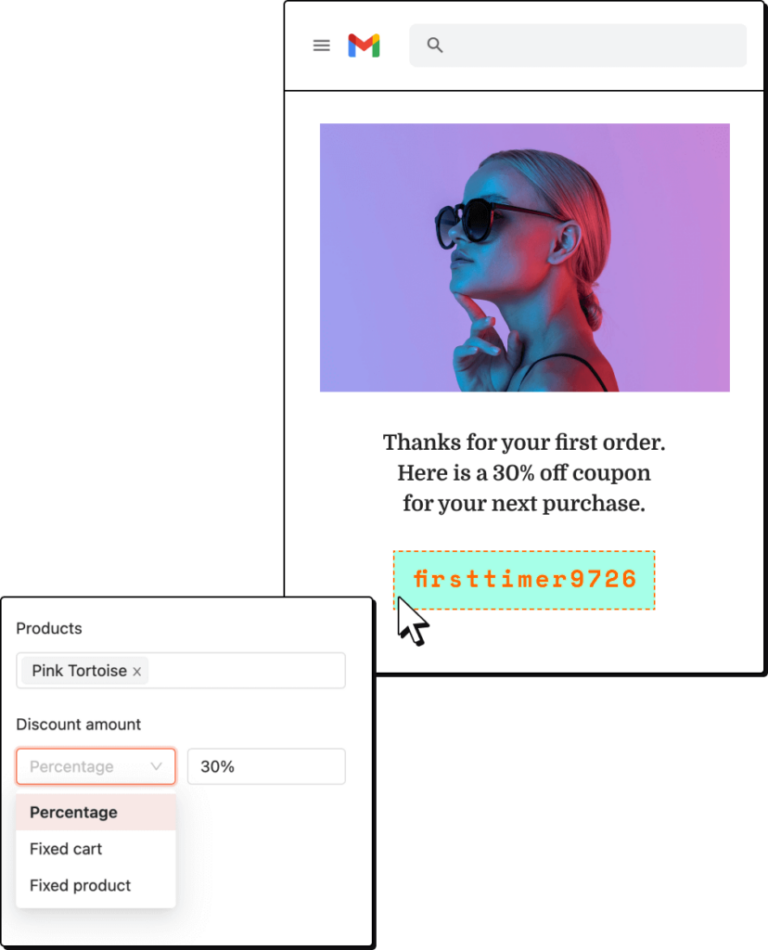
- Automated Emails: These messages remind customers of their cart items, often including product images, descriptions, and a checkout link. Crafting an effective subject line can enhance email open rates, making it more likely that recipients will engage with the content. Adding urgency through time-limited discounts or highlighting low stock levels can drive action.
- Personalized Offers: Providing exclusive deals, such as percentage discounts or free shipping, can incentivize shoppers to return. Context-specific messages based on browsing behavior make the offer more relevant.
- Retargeting Ads: Targeted ads appear on social media or other sites, reminding users of the items they viewed. These ads can include personalized promotions to reignite interest.
- Simplified Checkout: Streamlining the purchasing process minimizes barriers. Displaying trust badges, multiple payment options, and reducing unnecessary steps can lead to higher conversions.
Which of these methods resonates most with your business goals?
The Role of Technology
Technology plays a critical role in automating and optimizing cart recovery efforts.
- AI-Powered Insights: Machine learning can analyze customer behavior to predict the likelihood of cart abandonment. This data helps craft targeted messages and effective recovery strategies.
- Marketing Automation: Tools automate email sequences, retargeting ads, and personalized reminders. This saves time, increases scalability, and ensures consistent outreach.
- Dynamic Content: Integrating real-time updates, such as live inventory levels or price drops, into emails or ads creates a sense of urgency and relevance.
- Mobile Optimization: Over 50% of online shoppers use mobile devices. Ensuring emails, ads, and checkout pages are mobile-friendly reduces friction for users on small screens. Additionally, it’s crucial to optimize page load speeds to enhance user experience and reduce the likelihood of cart abandonment.
Have you explored whether technology could enhance your cart recovery efforts?
Calculating Cart Abandonment Rate
Understanding the cart abandonment rate is crucial for ecommerce businesses aiming to optimize their sales funnel. This metric reveals the percentage of customers who leave their shopping carts without completing a purchase, providing insights into potential areas for improvement.
To calculate the cart abandonment rate, use the following formula:
[ \text{Cart Abandonment Rate} = \left( \frac{\text{Number of Abandoned Carts}}{\text{Number of Shopping Carts Created}} \right) \times 100 ]
For instance, if 100 customers create shopping carts and 60 of them abandon their carts, the cart abandonment rate would be:
[ \left( \frac{60}{100} \right) \times 100 = 60% ]
By analyzing this rate, businesses can identify pain points in the checkout process and develop effective abandoned cart recovery strategies. This understanding is essential for reducing cart abandonment and improving overall sales performance.
Optimizing the Checkout Process
A smooth and frictionless checkout process is essential to reduce cart abandonment and increase completed purchases. Here are some practical steps to optimize the checkout process:
- Offer Guest Checkout: Allowing customers to complete their purchase without creating an account can significantly reduce friction and deter customers from abandoning their carts.
- Streamline Payment Process: Simplify the payment steps and provide clear information about shipping costs and payment options. Offering digital wallets like Apple Pay can also make the process quicker and more convenient.
- Implement Exit Intent Pop-Ups: Use exit intent pop-ups to remind customers about their abandoned carts and offer incentives, such as discounts or free shipping, to encourage them to complete their purchase.
By optimizing the checkout process, businesses can enhance the overall customer journey and reduce shopping cart abandonment, leading to higher conversion rates and increased revenue.
Benefits of Abandoned Cart Recovery
Abandoned cart recovery offers significant advantages for businesses aiming to reclaim lost sales and foster meaningful connections with customers. By focusing on recovery efforts, we create opportunities for increased revenue and stronger customer relationships. Providing clear return policies and trust symbols can reassure customers, improving engagement and reducing cart abandonment rates.
Increased Revenue
Recovering abandoned carts directly impacts sales growth. When a potential customer is reminded to complete their purchase, there’s a higher likelihood they’ll return to finalize the order. Tracking how many sales are recovered can demonstrate the effectiveness of these recovery efforts. This reduces the revenue lost from uncompleted transactions. For instance, sending automated reminders with product details or limited-time offers can entice users to act quickly. Additionally, follow-up communication helps address barriers like pricing concerns or shipping costs, leading to more conversions. Each recovered cart represents not just immediate financial gain but also potential repeat business.
Improved Customer Engagement
Re-engaging customers through cart recovery tactics enhances overall interaction. These strategies provide opportunities to reconnect with shoppers by addressing their preferences or concerns. For example, personalized emails with recommendations or thank-you messages create a sense of value and recognition. This approach builds trust and encourages loyalty, turning one-time buyers into long-term supporters. By maintaining consistent communication, we make customers feel more appreciated and involved in their shopping experience.
Effective Abandoned Cart Recovery Strategies
Encouraging customers to return and complete their purchases calls for strategic efforts. Addressing issues with online shopping carts can significantly reduce abandonment rates. Let’s explore practical approaches to recover abandoned carts effectively.
Email Campaigns
Email campaigns are a proven way to re-engage potential buyers. Sending timely, automated reminder emails helps bring attention back to unfinished transactions. Clear subject lines, engaging content, and visuals of cart items make these emails more compelling. Including direct links to the cart ensures customers face no added steps.
Offering guest checkout options can reduce the need for account creation and simplify the process, making it easier for customers to complete their purchases.
Follow-up emails add value when spaced well and diversified. A sequence might begin with a gentle reminder, followed by a message addressing possible concerns like costs or shipping, and conclude with a limited-time offer. How might targeted messages impact your business outcomes?
Retargeting Ads
Retargeting ads reconnect with shoppers through online platforms. These ads display images of items abandoned in the cart while browsing other sites or social media. By keeping these products top of mind, ads nudge potential buyers back towards completing purchases. Retargeting ads can also re-engage website visitors who abandoned their carts, encouraging them to return and finalize their transactions.
Strategically placed ads on platforms your customers frequent ensure better visibility. Testing messaging styles and visuals can optimize effectiveness. Would using retargeting expand your ability to re-engage distracted customers?
Personalized Offers
Personalized offers provide an incentive for customers to finish their orders. Discounts, free shipping, or loyalty rewards make decisions easier for hesitant buyers. Aligning offers with customer purchase history or preferences adds a relatable touch that feels enticing.
Creating urgency by including expiration dates further prompts immediate action. Are there specific offers that your audience responds well to? Identifying customer motivations strengthens this approach.
Measuring Success and Analytics
To measure the success of abandoned cart recovery strategies, it’s essential to track key metrics and analyze data. Here are some important aspects to consider:
- Conversion Rates: Monitor the percentage of customers who complete their purchase after receiving recovery emails or seeing retargeting ads.
- Cart Recovery: Track the number of abandoned carts that are successfully recovered through your strategies.
- Revenue Growth: Measure the increase in revenue attributed to recovered carts.
Analyzing user behavior and website performance can help identify areas for improvement. Use social proof and user-generated content to build trust and increase conversions. Additionally, monitor site speed and load speeds to ensure a seamless customer experience. By tracking these metrics, businesses can refine their abandoned cart recovery strategies and improve overall ecommerce performance.
Improving the Client Experience
To improve the client experience, focus on providing a seamless and personalized shopping experience. Here are some strategies to consider:
- Offer Free Shipping and Discount Codes: Incentivize customers to complete their purchases by offering free shipping or discount codes.
- Implement Live Chat Support: Provide real-time assistance to address customer queries and concerns, enhancing their shopping experience.
- Engage on Social Media Platforms: Use social media to interact with customers, provide support, and build a community around your brand.
Additionally, consider using abandoned cart automation to send personalized follow-up emails and retarget customers who have abandoned their carts. By prioritizing the client experience, businesses can build trust, increase customer loyalty, and reduce cart abandonment, ultimately driving long-term growth and higher conversion rates.
Challenges in Abandoned Cart Recovery
Abandoned cart recovery can boost sales, but it comes with hurdles. Ecommerce brands balance automation and personalization in their recovery efforts to effectively convert abandoned carts into sales. Understanding these challenges helps us craft better strategies and improve customer experiences.
Balancing Automation and Personalization
Striking a balance between automated systems and personal touches isn’t always straightforward. Automated emails and messages help scale efforts but can feel impersonal if overused. On the other hand, overly tailored communication takes time and resources, especially for smaller teams. How do we find the right mix? Testing communication styles and using dynamic customization based on customer preferences often bridges this gap. For instance, automated follow-ups that address specific cart items or include the customer’s name make interactions feel more relevant. Additionally, leveraging customer feedback can help fine-tune the balance between automation and personalization, ensuring that recovery strategies are both efficient and user-centric.
Ensuring Data Privacy
Recovering abandoned carts depends on accessing customer data, which raises privacy concerns. Customers value transparency about how their data is collected and used. Overstepping boundaries, such as sending excessive follow-ups, can harm trust. How can recovery efforts respect privacy? Clear consent requests, secure data storage, and compliance with regulations like GDPR create a safer experience for buyers. Showcasing positive feedback from other customers can also build trust while respecting privacy. Establishing boundaries demonstrates respect and strengthens relationships over time.
Conclusion
Abandoned cart recovery is more than just a strategy to boost sales—it’s an opportunity to create meaningful connections with our customers. By addressing the reasons behind cart abandonment and using thoughtful, data-driven methods to re-engage shoppers, we can turn missed opportunities into valuable wins.
When we balance automation with personalization and prioritize trust through transparent practices, we not only recover lost revenue but also strengthen customer loyalty. Optimizing the online store, such as improving checkout processes and site performance, enhances the shopping experience and reduces cart abandonment. Every effort we make to optimize the shopping experience brings us closer to building lasting relationships and a more successful business.
Frequently Asked Questions
What is abandoned cart recovery?
Abandoned cart recovery is a strategy used by businesses to re-engage customers who left items in their online shopping cart without completing the purchase. It involves using methods like automated emails, personalized discounts, and retargeting ads to remind and encourage customers to finalize their transaction.
Why do customers abandon their shopping carts?
Common reasons include unexpected costs (e.g., shipping fees), a lengthy or complicated checkout process, security concerns, delivery timeframe issues, indecisiveness, and challenges with mobile checkout. Additionally, many customers engage in window shopping, where they add items to their carts without the intent to purchase, especially during high-sales periods, which contributes to cart abandonment. Addressing these issues can significantly reduce cart abandonment rates.
How can businesses recover abandoned carts?
Businesses can recover abandoned carts by sending automated reminder emails, offering personalized discounts, using retargeting ads, simplifying the checkout process, and optimizing the experience for mobile users. Optimizing the checkout page by integrating progress indicators and offering guest checkout options can significantly improve the efficiency of the checkout process and encourage customers to complete their purchases. These methods gently encourage customers to complete their purchase.
How do automated emails help with cart recovery?
Automated emails remind customers about the items they left behind. These emails often feature the abandoned products, personalized offers (e.g., a discount or free shipping), and convenient checkout links, making it easier for customers to complete their purchase. Automated emails can be particularly effective for returning customers, who are already familiar with the brand and more likely to respond positively to reminders and special offers.
What role does personalization play in cart recovery?
Personalization enhances the effectiveness of cart recovery by tailoring communication to individual customer preferences, such as recommending complementary products or offering targeted discounts. Personalized offers can also address customers who are comparing prices, ensuring they see the value in your products and are less likely to choose alternatives. This approach increases the likelihood of re-engaging the customer.
How can retargeting ads reduce cart abandonment?
Retargeting ads display the customer’s abandoned items on other websites and platforms they visit. These ads serve as reminders and nudge customers back to the store to complete their purchase, increasing the chances of recovery. By re-engaging potential customers who abandoned their carts, retargeting ads help convert interested shoppers into actual buyers.
What are the benefits of abandoned cart recovery?
Abandoned cart recovery helps businesses regain lost sales, increase revenue, and foster stronger customer relationships. Reducing the shopping cart abandonment rate can significantly increase revenue by converting more potential sales into actual purchases. It also boosts engagement by addressing concerns or barriers and creates a seamless shopping experience for customers.
What challenges are associated with automated cart recovery?
The main challenges include balancing automation with personalization to avoid messages feeling impersonal and ensuring transparency in data collection. Understanding why customers leave their carts, such as high shipping costs, can help address these recovery challenges by implementing strategies like free shipping offers. Businesses also need to comply with data privacy regulations like GDPR to maintain customer trust.
How can businesses reduce cart abandonment rates?
To reduce cart abandonment, businesses should simplify the checkout process, be transparent about costs, optimize their website for mobile, offer secure payment methods, and provide fast and affordable delivery options. Additionally, addressing comparison shopping behavior by monitoring competitor pricing and offering competitive deals can also help retain customers and reduce cart abandonment rates.
Can abandoned cart recovery improve customer loyalty?
Yes, abandoned cart recovery fosters customer loyalty by addressing pain points, providing tailored solutions, and creating a positive shopping experience. Engaging window shoppers, who explore products but do not complete a purchase, can also improve customer loyalty by converting their interest into actual sales. This builds trust and encourages repeat business over the long term.