How to Start an Email Newsletter: 7 Simple Steps to Build, Grow, and Monetize Your Audience
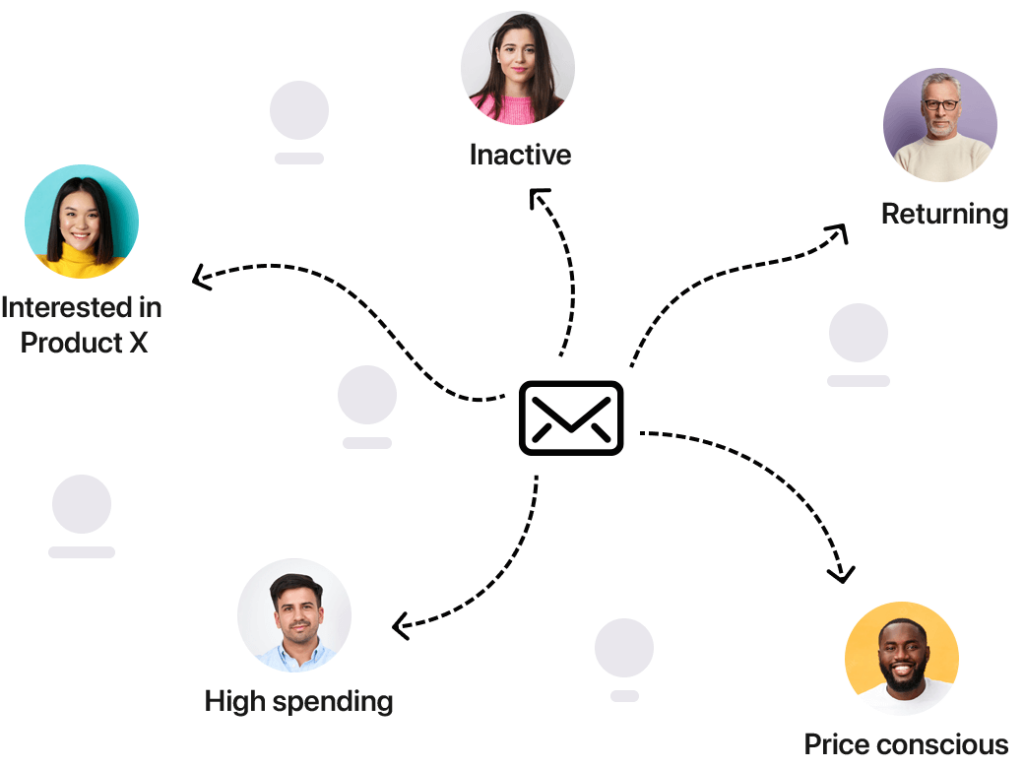
Creating a newsletter can feel like staring at a blank canvas, uncertain where to start or what to focus on. Yet, newsletters remain one of the most powerful tools for building a direct connection with your audience. From personal brands to large organizations, having a newsletter means you’re no longer beholden to the ever-changing whims of social platforms.
To start an email newsletter, it is crucial to collect email addresses using an email marketing service provider. This step ensures you can effectively manage your email lists and subscribers.
In this comprehensive guide, I’m going to walk you through step-by-step how to build and grow a successful newsletter, using real-world examples, relatable analogies, and actionable advice. We’ll dive into strategies for building your subscriber list, crafting engaging content, and ensuring your newsletter becomes a source of value for your readers. But first, let’s discuss why newsletters are such a big deal.
Understanding Email Newsletters
What is an Email Newsletter?
An email newsletter is like a friendly nudge in your inbox, keeping you updated about a website, blog, or eCommerce business you care about. Think of it as a periodic letter from a friend who shares valuable insights, updates, and offers. Whether it’s daily, weekly, bi-weekly, or monthly, the frequency depends on what your audience prefers and the type of content you provide.
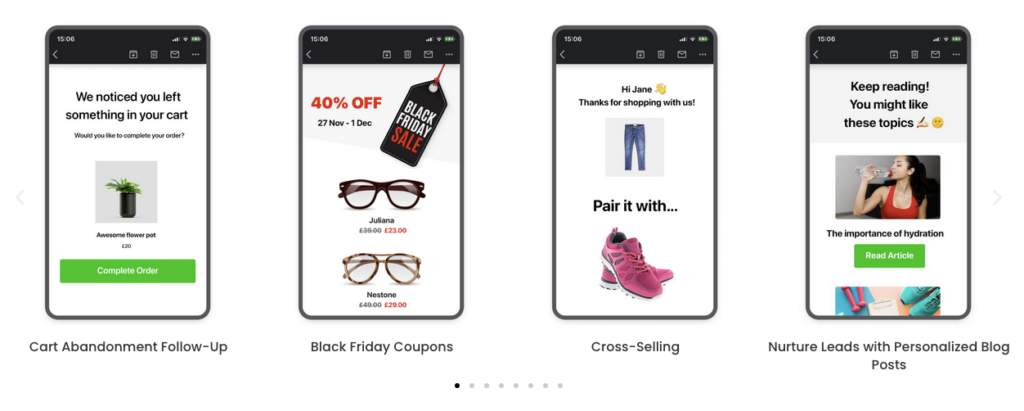
Email newsletters can serve various purposes. They can be transactional, like a receipt or shipping confirmation; promotional, such as a special discount or new product announcement; or informational, offering the latest blog posts or industry news. The beauty of an email newsletter lies in its ability to build trust, foster a connection, and drive conversions, making it an indispensable tool in your email marketing strategy.
Why Newsletters Matter More Than You Think in Your Email Marketing Strategy
Imagine you own a restaurant in a busy downtown area. Every day, you rely on foot traffic and ads to bring in customers. But what if you could hand a flyer, a discount, or a personal note directly to every person who has ever visited and liked your restaurant? That’s the power of a newsletter. It’s your direct line to people who already care about what you offer.
An email newsletter is crucial for converting website visitors into subscribers, ensuring you stay connected with both existing and prospective customers.
The Risk of Relying Solely on Social Platforms
Consider this: if your entire marketing strategy hinges on platforms like Facebook or Instagram, you’re essentially renting your audience. What happens when the algorithm changes or your account gets restricted? Let’s not forget the case of WittyFeed, a meme marketing company that went from generating millions to zero overnight because Facebook decided to delist them. They had 120 million monthly viewers and a revenue of $10 million, and all of that vanished in a day.
Shiven Dhania, creator of the Misfits Newsletter, put it this way:
“Social platforms can just ban you without any reason… They gave a very lame excuse… The founders became bankrupt, and it didn’t end well.”
If they’d focused on building a newsletter, they might’ve taken a hit, but their business wouldn’t have gone belly up.
Take Your Marketing to the Next Level with ConvesioConvert
ConvesioConvert is a robust marketing automation platform designed to help you drive more engagement and conversions through seamless omni-channel strategies. With powerful tools like personalized smart emails, targeted pop-ups, and dynamic website personalization, ConvesioConvert ensures you reach your customers with the right message at the perfect moment. Whether you’re nurturing new leads or re-engaging existing customers, ConvesioConvert gives you the power to deliver personalized experiences across multiple touchpoints. Plus, with advanced analytics and AI-generated content suggestions, you can optimize your campaigns in real-time, ensuring maximum ROI with every interaction. Experience the full potential of omni-channel marketing with ConvesioConvert and turn casual visitors into loyal, repeat customers. Start your free trial today!
Step 1: Building Your Newsletter Subscribers List
The first hurdle is getting people to actually sign up for your newsletter. But remember, people don’t join newsletters just because they exist. You have to offer a compelling reason. One of the biggest misconceptions people have is that writing is the hardest part. It’s not. Getting people to subscribe is the real challenge.
A well-designed newsletter signup form is crucial for attracting subscribers.
Tip 1: Leverage Your Existing Content and Social Media
If you’re already active on platforms like Twitter, LinkedIn, or YouTube, promote your newsletter there. The key is to use your existing channels as a gateway. Take the story of Chenell Basilio, a relatively unknown newsletter creator who grew to 10,000 subscribers in just three months. She didn’t rely on ads; she reverse-engineered the success of other newsletters and created Twitter threads around her content. Each time she tagged a larger creator, that creator retweeted, and her subscriber base exploded.
Tip 2: Use Relatable Hooks
Instead of generic “Sign Up for My Newsletter,” think about what your audience cares about. People sign up for newsletters that solve a problem. Take TL;DR, for instance, a newsletter focused on delivering tech news in bite-sized chunks. Their value proposition is clear: We save you time by condensing the tech news you care about. Be specific in your pitch and address your audience’s needs.
Step 2: Creating Content That Stands Out
Once you have an audience, the next challenge is to keep them engaged. The biggest mistake people make is overthinking their content. Remember, people have limited attention spans, so keep things concise and focused.
Delivering valuable content through your newsletters is crucial to connect with your audience and build a loyal following.
Use the Three E’s: Educate, Entertain, and Engage
If your content doesn’t educate, entertain, or engage, it’s going to end up in the trash folder. As Shiven shared, his success formula revolves around these three pillars:
“The only three types of content that work are education, inspiration, or entertainment. If you can’t educate, inspire, or entertain, people will forget you.”
For example, let’s say you’re a fitness trainer. Don’t just send out weekly workouts. Instead, create a mix of educational content (e.g., the benefits of a 20-minute treadmill workout), inspirational stories (e.g., a client’s transformation journey), and humorous anecdotes (e.g., a funny story about the time your workout plans backfired).
Use Stories to Add Value
Imagine you’re a career coach sending out a newsletter. Instead of generic advice like “Update your LinkedIn profile,” share a personal story about a client who landed a dream job after revamping their profile. This makes your content more relatable and memorable.
Open-Ended Questions to Engage Your Readers
Ask questions that invite your audience to reply. For example:
- “What’s the one skill you’ve mastered this year?”
- “How do you stay motivated during tough projects?”
You’ll not only build a deeper connection but also gather insights about your audience’s needs and interests.
Step 3: Crafting the Perfect Subject Lines
Did you know that 90% of your readers decide to open your email based on the subject line alone? That’s right—if your subject line is boring, your beautifully crafted email is going straight to the archives.
Be Specific and Intriguing
If you’re sending a newsletter about productivity tips, don’t just say, “Tips for Being Productive.” Instead, try something like:
- “The 3 Productivity Hacks I Wish I Knew Sooner”
- “How to Save 2 Hours a Day with One Small Change”
A simple tweak can make all the difference. For example, one company changed its subject line from “Bring your relationship to life” to “Bring out the best in your relationship”. That one change boosted their sales by 65%.
Step 4: Building Relationships Through Your Content
One common misconception is that newsletters are a one-way street. While it’s true that your audience might not respond to every email, newsletters still play a crucial role in relationship building. The goal isn’t just to be read but to be remembered.
To achieve this, it is essential to test your emails on different email clients to ensure accessibility and compatibility.
Think of Your Newsletter as a Dinner Party
Imagine you’re hosting a dinner party. You wouldn’t just drone on and on about yourself, right? You’d ask questions, share stories, and genuinely engage with your guests. Treat your newsletter the same way. Share personal anecdotes, ask for feedback, and let your readers know you care about their opinions.
Give Your Readers a Reason to Stay
Just like a restaurant that offers a free appetizer to returning customers, reward your loyal readers. Offer exclusive content, discounts, or early access to new offerings.
Step 5: Choosing an Email Newsletter Tool
Overview of Email Newsletter Tools
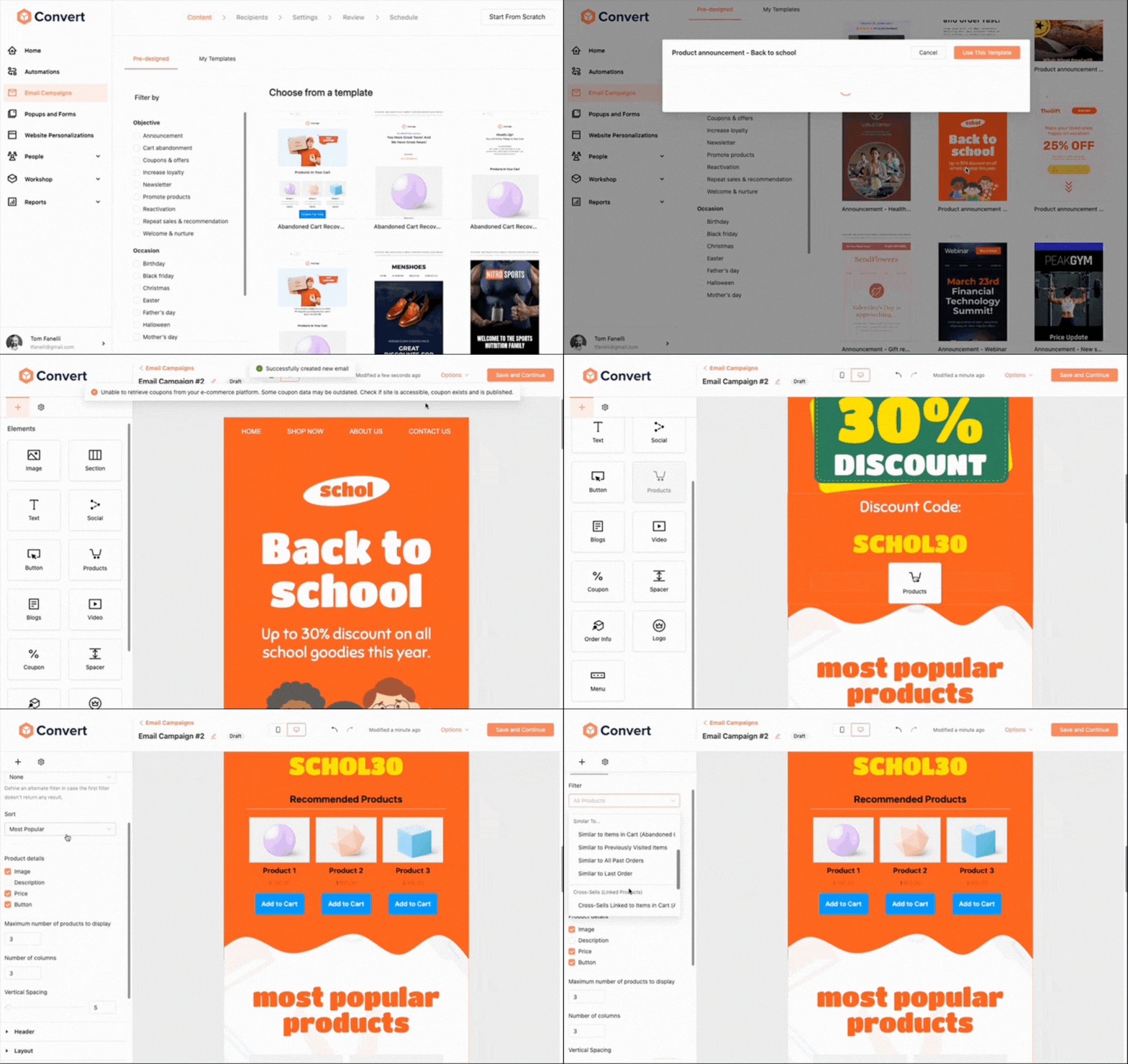
Selecting the right email newsletter tool is like choosing the perfect kitchen appliance—it needs to be user-friendly, versatile, and reliable. A good email marketing platform should offer a drag-and-drop editor, making it easy to design eye-catching emails without needing a degree in graphic design. Look for tools that provide a variety of newsletter templates, so you can quickly create professional-looking emails that resonate with your audience.
Contact management is another crucial feature. You want a tool that helps you organize your newsletter subscribers efficiently, allowing you to segment your audience and tailor your messages. Marketing automation is a game-changer, enabling you to send personalized emails based on user behavior, ensuring your content reaches the right people at the right time.
Popular email marketing software like Mailchimp, Constant Contact, and ConvertKit offer these features and more. When choosing your tool, consider how well it integrates with your social media platforms and other systems you use. Ease of use, customization options, and robust analytics are key factors that will help you create and manage effective email marketing campaigns.
Step 6: Measuring and Optimizing Performance
Tracking Email Newsletter Performance
To ensure your email newsletter is hitting the mark, you need to keep an eye on its performance. Key metrics to track include the open rate, which tells you how many people are actually opening your emails, and the click-through rate, which shows how many are engaging with your content. The conversion rate is crucial for understanding how many of your readers are taking the desired action, whether it’s making a purchase or signing up for an event. Don’t forget the bounce-back rate, which indicates how many emails failed to reach your subscribers.
Using analytics tools, you can dive deep into these metrics and gain insights into what’s working and what needs improvement. A/B testing is a powerful technique to optimize your email marketing campaigns. By experimenting with different subject lines, email content, and calls to action, you can see what resonates best with your target audience and refine your strategy accordingly.
Remember, the goal is to continuously improve and adapt your approach based on the data. This way, you can ensure your very own email newsletter remains a valuable and engaging resource for your readers.
Step 7: Stay Consistent and Adapt
Creating a newsletter isn’t a one-and-done deal. The real magic happens over time. You’re building trust, establishing your brand, and developing a voice that resonates.
As Lee Matthew Jackson, host of the Trailblazer FM podcast, shared during a recent episode:
“I’ve often neglected my newsletter because I thought, ‘People don’t read them.’ But I realized that just seeing my name in their inbox keeps me in their mind, even if they don’t open the email.”
Consistency matters. Even if you only send a newsletter once a month, stick to it. Over time, you’ll see engagement grow, and your efforts will pay off.
Final Thoughts: Why Start a Newsletter Now?
Starting a newsletter may feel overwhelming, especially if you’re juggling other responsibilities. But unlike social media posts that are here today and gone tomorrow, newsletters build a legacy. They offer a level of intimacy and trust that no tweet or Instagram story can match.
So, what’s stopping you from launching your own newsletter today? Share your thoughts in the comments or reply to our email. We’d love to hear about your journey and what you’re hoping to achieve!
And remember: In the world of newsletters, it’s not about perfection—it’s about connection. Stay genuine, be consistent, and above all, add value. Your audience is waiting!
For more examples of great newsletters and resources checkout these links:
- YourStory – click here
- MorningBrew – click here
- TLDR Newsletter – click here
- Leave me alone app – click here
- My First Million Podcast – click here
- The Hustle – click here
FAQs: How to Start an Email Newsletter
What is an email newsletter?
An email newsletter is a periodic email that keeps your audience updated on your website, blog, or business. It serves as a way to share valuable insights, updates, offers, or industry news, depending on your content strategy and your audience’s preferences.
Why should I create an email newsletter?
Newsletters allow you to build a direct relationship with your audience, free from the limitations and unpredictability of social media algorithms. They can help build trust, foster connections, and drive conversions, making them a crucial tool in any content marketing strategy.
How do I start building my newsletter subscriber list?
Begin by offering a compelling reason for people to subscribe. Use your existing platforms (e.g., social media, website) to promote your newsletter. Make use of signup forms, lead magnets (like eBooks or discounts), and leverage your existing content to drive signups.
Which email marketing tools are best for newsletters?
Popular options include ConvesioConvert, Mailchimp, and Constant Contact. Choose a tool that is user-friendly, offers drag-and-drop editors, integrates well with your existing platforms, and has robust analytics for tracking your newsletter’s performance.
What types of content should I include in my newsletter?
Focus on content that educates, entertains, or engages your audience. For example, if you’re a fitness trainer, include educational articles, client success stories, and even humorous anecdotes to keep your readers engaged and coming back for more.
How often should I send my newsletter?
The frequency depends on your audience and content type. Newsletters can be sent daily, weekly, bi-weekly, or monthly. The key is to stay consistent—once you set a schedule, stick to it to build anticipation and trust with your readers.
What’s the most important element of a newsletter?
The subject line. It’s the first thing your readers see and will determine whether they open your email. Make it specific, intriguing, and relevant to your content.
How can I increase my newsletter open rates?
Craft compelling subject lines, use segmentation to target specific groups of subscribers, and personalize your emails by addressing readers by their names. Providing value in every email will also encourage more people to open your future newsletters.
How do I keep subscribers engaged?
Focus on providing value. Use the “Three E’s”—Educate, Entertain, and Engage. Ask open-ended questions, share stories, and include calls to action that invite your readers to reply and participate.
What are some effective ways to grow my newsletter audience?
- Promote your newsletter through social media.
- Create content specifically designed to attract subscribers.
- Use incentives like exclusive content, discounts, or lead magnets.
- Collaborate with other creators or businesses to reach new audiences.
How do I measure the success of my newsletter?
Track key metrics such as:
- Open Rate: The percentage of subscribers who open your email.
- Click-Through Rate: The percentage of subscribers who click on links within your email.
- Conversion Rate: The percentage of subscribers who complete a desired action, like making a purchase or signing up for an event.
- Bounce Rate: The percentage of emails that didn’t reach subscribers due to invalid addresses.
How can I optimize my email newsletters?
Use A/B testing to experiment with different subject lines, content formats, and calls to action. Review your analytics to understand what resonates with your audience and refine your approach accordingly.
How can I build stronger relationships with my readers through newsletters?
Treat your newsletter like a conversation. Share personal stories, ask questions, and offer exclusive content to make your readers feel valued. Use a friendly, approachable tone to connect on a more personal level.
Can I automate my newsletter?
Yes, many email marketing tools offer automation features that allow you to send personalized emails based on subscriber behavior. This ensures your audience receives relevant content at the right time without requiring constant manual effort.
Why is consistency important in newsletters?
Consistency helps build familiarity and trust with your audience. Whether you’re sending a weekly update or a monthly deep dive, sticking to a regular schedule will keep your audience engaged and looking forward to your emails.
Is it possible to convert social media followers into newsletter subscribers?
Absolutely. Promote your newsletter on your social channels and offer unique value (e.g., exclusive insights, behind-the-scenes content) to encourage followers to subscribe. Engaging social content can act as a gateway to your newsletter.
How can I prevent my emails from ending up in the spam folder?
Use a reputable email marketing tool, avoid spammy language in your content and subject lines, and ensure your emails comply with regulations like CAN-SPAM. Personalize your emails and send them to subscribers who have explicitly opted in.
Can I monetize my email newsletter?
Yes, newsletters can be monetized through sponsorships, paid subscriptions, and by promoting your own products or services. Once you’ve built a loyal audience, explore monetization strategies that align with your brand and audience needs.
Should I include visuals in my newsletters?
Visuals can make your newsletters more engaging, but don’t overdo it. Use images, infographics, and videos to complement your content, not distract from it. Make sure your visuals are optimized for email to avoid slow loading times.
What should I do if I have a high unsubscribe rate?
Review your content strategy. Are you delivering on what you promised? Consider sending a survey to understand why subscribers are leaving and adjust your approach based on their feedback. It’s also helpful to set clear expectations during the signup process regarding the type and frequency of emails.