Personalized Marketing Automation: Maximum Engagement

In the crowded world of online marketing, standing out can feel like finding a needle in a haystack. That’s where creating your own personalized marketing automation comes in, a blend of data and tailored engagement designed to make each customer feel like your only customer. But what does it mean to personalize, and why should automation and personalization be part of your strategy?
What is Personalized Marketing Automation?
At its heart, tailored marketing automation combines two powerful ideas:
- Automation: Tools that handle repetitive tasks automatically, without human intervention.
- Personalization: Adjusting messages and content to fit each customer’s unique needs and interests.
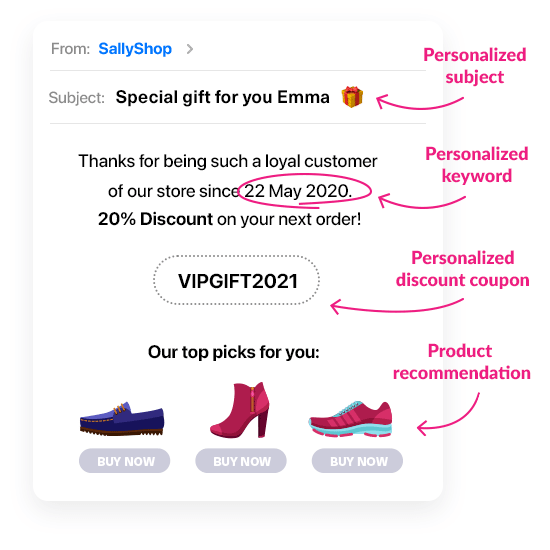
A marketing automation platform can help by segmenting audiences and integrating with CRM tools to analyze customer data, automate tasks, and enhance the personalization of marketing strategies.
Imagine you run a bookstore (yes, a cozy, aromatic one filled with old novels and coffee scents). Now, think about automating a message to send every customer a recommendation. Would you send the same book suggestion to the history buff, the sci-fi lover, and the romance reader? Likely not. Personalized marketing automation lets you reach out with thoughtful recommendations tailored to each reader’s tastes — all without manually writing hundreds of emails. It’s like having a friend who knows just what you’d enjoy reading, but with less effort. For your marketing team, this means freeing up time to focus on bigger creative strategies rather than managing endless lists and repetitive tasks.
Definition of Marketing Automation
Marketing automation refers to the use of software and technology to automate marketing activities, such as email marketing, lead generation, and social media management. Imagine having a virtual assistant that handles all the repetitive tasks, allowing you to focus on the creative and strategic aspects of your efforts. Automation and personalization in these tools enable businesses to manage and optimize their marketing activities more efficiently, freeing up time to develop personalized content and improve engagement of customers. Think of it as having a smart, tireless helper that ensures your marketing machine runs smoothly, day and night.
Benefits of Using a Marketing Automation Tool
Marketing automation software or tools offer a treasure trove of benefits that can transform your approach and nurture your customers. Here’s how marketing automation tools can make a difference:
- Save Time and Resources: By automating repetitive tasks, you can streamline your workflow and free up valuable time for more strategic activities. Imagine the hours saved from not having to manually send out hundreds of emails.
- Improve Customer Engagement: Personalized messages and personalized content tailored to individual preferences can significantly boost engagement of customers. It’s like having a conversation with each customer, making them feel valued and understood.
- Enhance Brand Recognition and Loyalty: Targeted marketing campaigns help build a strong brand presence and foster customer loyalty. When customers receive relevant and timely messages, they’re more likely to remember and trust your brand.
- Increase Conversions and Sales: Optimized marketing leads to higher conversion rates and increased sales. By delivering the right message at the right time, you can guide customers through the buying journey more effectively.
- Gain Valuable Insights: Automated marketing solutions or tools provide deep insights into customer behavior and preferences. These insights are like a goldmine, helping you refine your strategies and make data-driven decisions.
202%
Higher conversion rates on landing pages with personalized calls-to-action than generic pages.
61%
of consumers are willing to share their data to personalize their shopping experience, leading to more sales & loyalty.
91%
of consumers are more likely to shop with brands that offer relevant recommendations and personalized offers.
The Power of Personalization: Why Bother?
In the age of hyper-connectivity, your customers are hit with more advertising than they can process. A generic “Hello, Friend!” message doesn’t cut it anymore. Today’s customers want a brand that gets them.
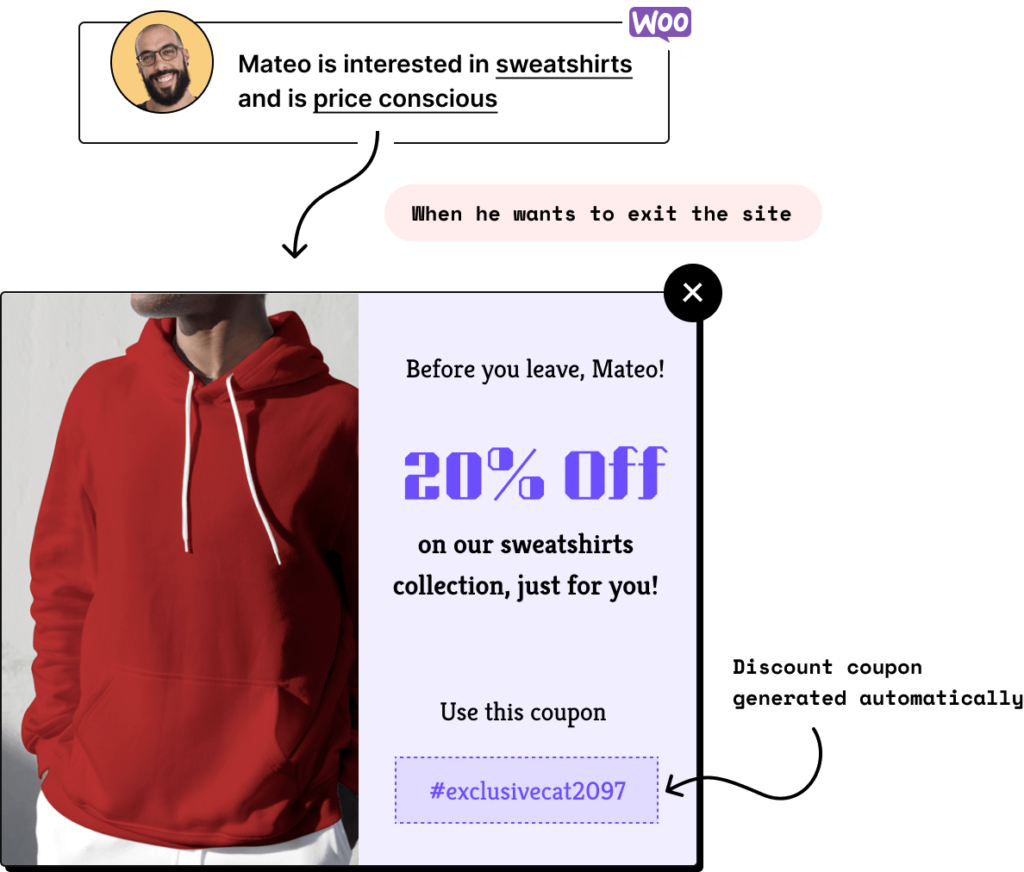
Ask yourself this: When was the last time you responded to a mass email with the subject line, “Don’t Miss Out!”? For most of us, it’s a scroll, delete, and forgotten affair. But a message that speaks to a recent search or purchase? That’s intriguing. Personalized automated marketing drives engagement by sparking those “Hey, this is for me!” moments.
Email automated marketing enhances lead generation by streamlining the sending of personalized email campaigns and tracking engagement, allowing businesses to tailor their strategies effectively and improve conversion rates.
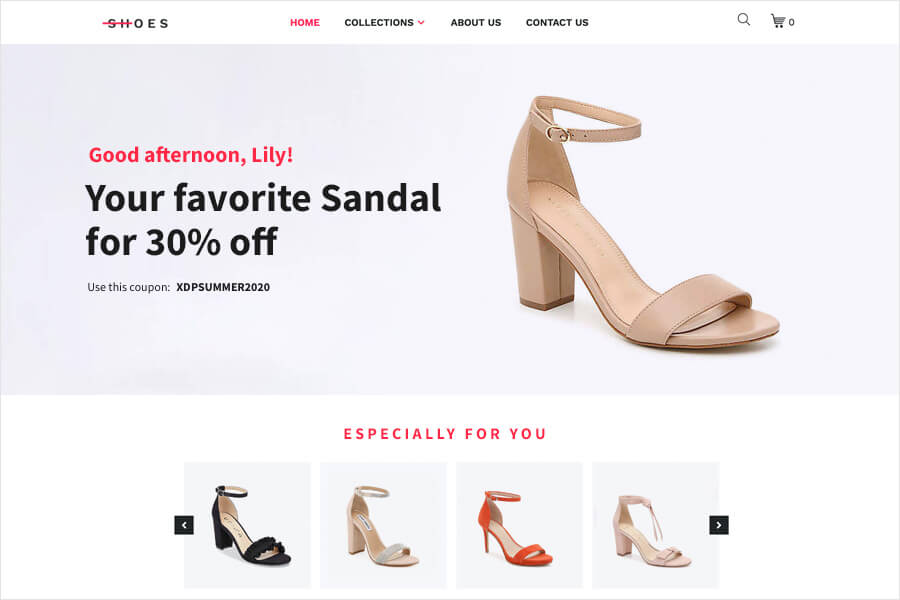
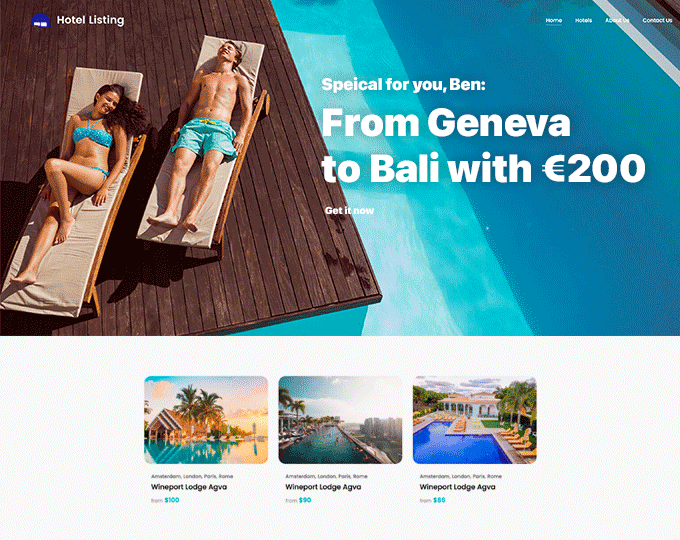
Take it a step further and start adding personalization to your website. With tools like ConvesioConvert, you can boost engagement with smart webpages. Improve your conversion rate with smart website personalization: Advanced targeting, no-code, 100% visual.
Making Automation Feel Human
Here’s a trick: Imagine your automated message as personal notes. If it feels robotic, so will the message. Say you’re emailing a segment of new parents shopping for baby supplies. Instead of a cold, mechanical email, try something light and relatable, like, “We know sleep is a distant memory — here are some essentials that might make the next 3 a.m. a bit easier!” Such messages make customers feel seen and understood.
Automation tools like chatbots can handle routine customer queries, freeing up human staff to address more complex issues, ultimately improving overall customer experience and satisfaction.
Transform Your Customer Connections with Convesio: Elevate Engagement and Drive Growth
Unlock the full potential of personalized marketing with Convesio and marketing automation. Our optimized hosting, seamless payment processing, and powerful email marketing tools make it easy to create data-driven, engaging a customer experience that build loyalty and boost conversions. Ready to connect with your audience on a whole new level? Let Convesio’s solutions power your personalized marketing strategy and help you grow faster. Get started for FREE today!
Key Ingredients of Successful Customized Marketing Automation
To automate a personalized experience successfully, let’s break down the essentials:
Automated marketing software works in conjunction with CRM systems to enhance customer engagement and personalization. It automates marketing campaigns by utilizing data from CRM tools, enabling businesses to tailor their communications and outreach based on detailed customer experience and insights.
1. Know The Customer Behavior
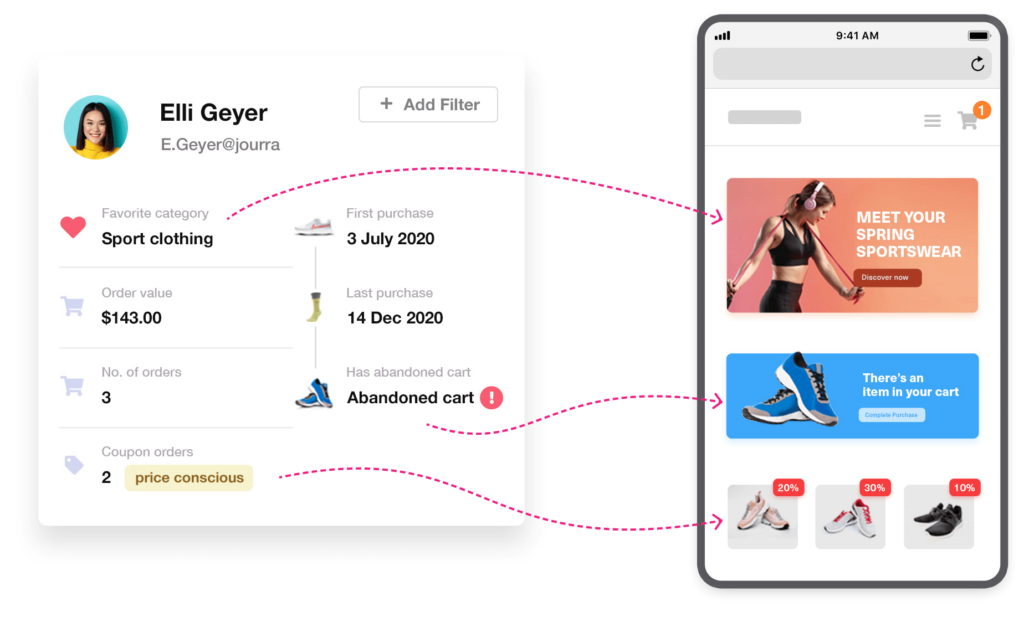
Every marketer’s mantra should be “data is everything.” When you know your audience, their actions, likes, and even dislikes, you can tailor experiences that resonate. Collect data on things like browsing behavior, past purchases, and even social media interactions. A automated marketing tool can manage this data for targeted advertisements and audience segmentation, ensuring communications are tailored to individual customer behaviors and preferences.
Take this anecdote: Picture two friends, Jamie and Sam, both subscribed to the same fitness brand’s emails. Jamie gets emails about running gear (he’s training for a marathon), while Sam receives workout recovery tips (she’s a yoga enthusiast recovering from an injury). Both feel valued because the brand aligns its messages with their lifestyles.
2. Smart Segmentation
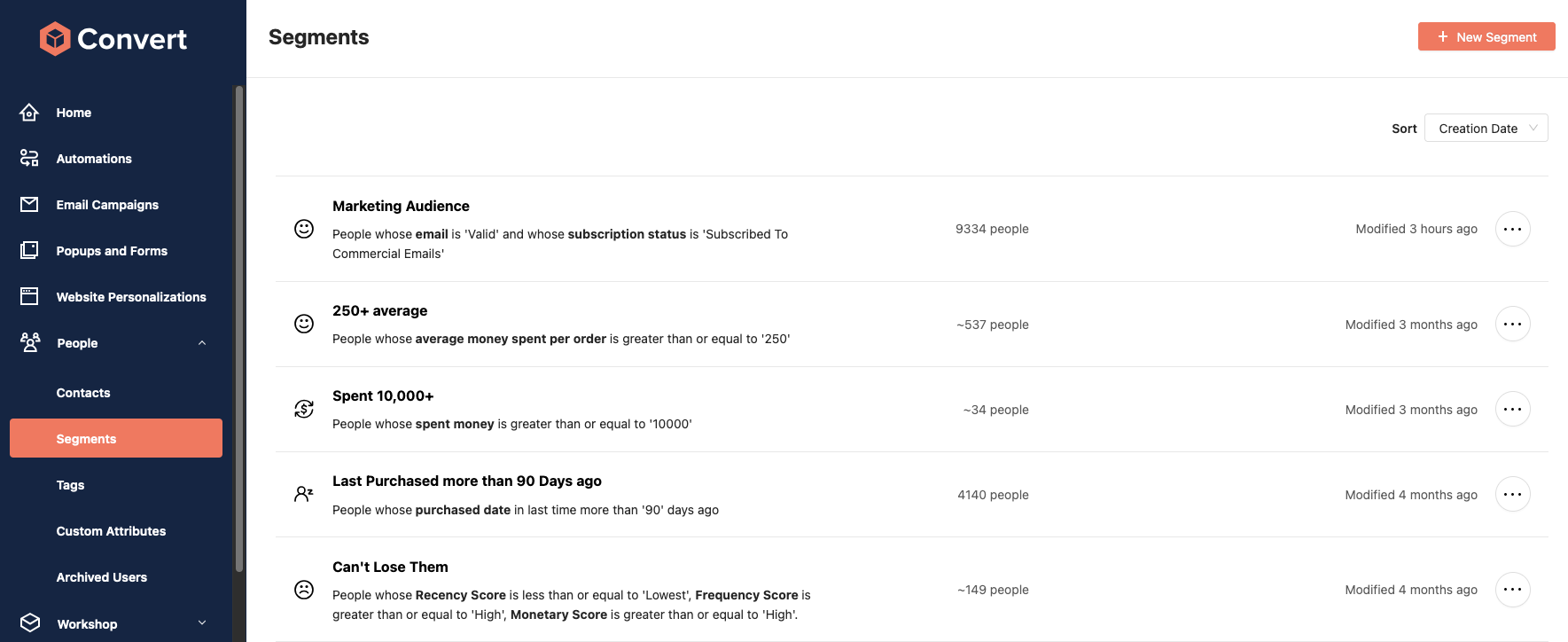
Good personalization isn’t about throwing in a customer’s first name — it’s about crafting unique experiences through customer segmentation. By segmenting audiences based on age, location, interests, and buying behavior, you can create a deeper sense of connection. This segmentation allows you to tailor messages effectively and foster a relationship that feels personal to each group.
Think of your segmentation like a house party: some folks want to talk sports, others love chatting about movies. If you toss everyone into the same room, the conversations might get a bit awkward. But with segmentation, each group gets the discussion they’re interested in, keeping everyone happy and engaged.
3. Dynamic Content: The Secret Sauce
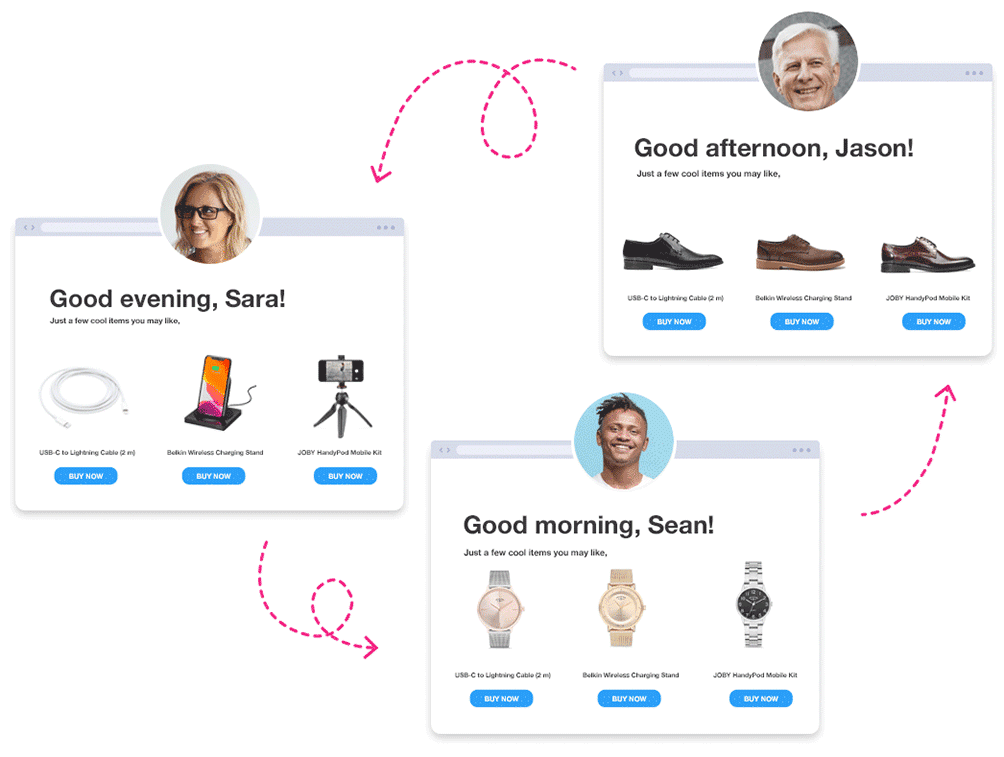
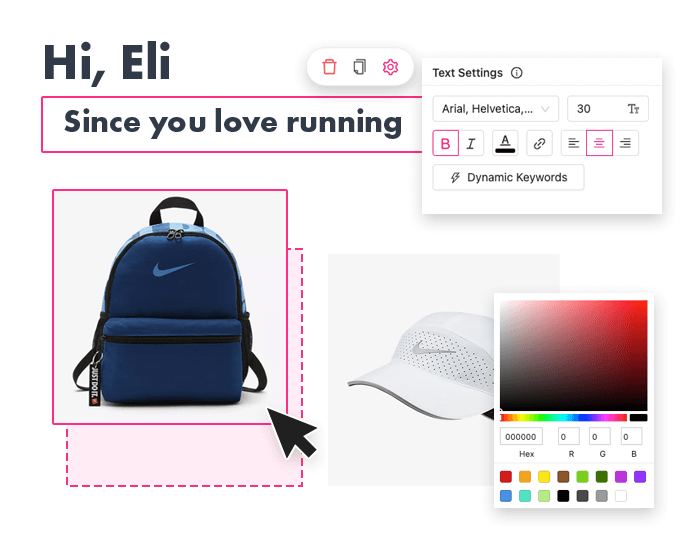
Dynamic content allows you to switch up images, calls-to-action, and offers within emails or ads based on each person’s preferences. Say a fashion retailer sends out a promotional email. For people who previously browsed summer dresses, the email showcases a sunny, beach-ready look. For those who shopped winter coats, the email shows cozy scarves and sweaters.
This isn’t magic — it’s dynamic content. It helps the recipient feel that your brand understands their style without you lifting a finger each time.
4. Test and Evolve
Sometimes, the most random detail can make all the difference. For instance, an A/B test might reveal that your audience responds better to subject lines with emojis (who knew?). Regularly testing your automation and personalization efforts ensures campaigns stay fresh and adapt to audience preferences over time. Just like you wouldn’t wear the same outfit for every occasion, your marketing messages shouldn’t always look and sound the same.
Bringing Community into Automation
One of the biggest challenges in automated marketing is maintaining a sense of community. Automation and personalization are about efficiency, but cold efficiency can make people feel like they’re just numbers on a spreadsheet. So how do you bring a human touch? Thoughtful personalization and community-centered content bring warmth to automation, creating a welcoming, engaging experience for customers.
1. Let Customers Shape the Content
Why not let customers play a part? For instance, some brands run customer spotlights or feature testimonials. Not only does this boost engagement, but it’s also a subtle reminder to customers that they’re part of something bigger — a community. Imagine receiving an email that reads, “Our Community’s Favorite Picks This Month,” with real stories. It’s like a virtual coffee chat, reminding customers they’re part of a shared experience.
2. Use Interactive Elements
Include interactive elements, like polls or quizzes, to make the experience more engaging. Interactive content offers a break from endless scrolling and makes customers feel involved. They’re not just reading an email; they’re engaging with it.
Take a fitness brand that asks, “What’s your workout mood today?” and offers personalized playlists based on responses. This little moment of fun and personalization can turn a mundane email into something a customer looks forward to.
3. Inject Humor and Personality
Automation doesn’t mean your brand needs to lose its personality. A sprinkle of humor can make messages feel less like a broadcast and more like a conversation. For example, if you’re running a sale, instead of the usual “Hurry, last chance!” try something more playful, like “Last call for our best deals — don’t let your cart be lonely!”
Using CRM to Enhance Marketing Efforts
Customer Relationship Management (CRM) software is a powerful ally in enhancing your marketing. When integrated with automated marketing campaigns, CRM can take your marketing game to the next level. Here’s how:
- Track Customer Interactions: CRM systems track customer history and interactions across multiple touchpoints, providing a comprehensive view of each customer’s journey. It’s like having a detailed map of your customer’s preferences and actions. With this data, your team can better understand customer needs, respond quickly, and build on past interactions to enhance future engagement.
- Develop Personalized Campaigns: With rich data of your customers at your fingertips, you can create highly personalized marketing campaigns that resonate with your audience. Imagine sending a special offer to a customer based on their past purchases and browsing history.
- Automate Sales Follow-Ups: CRM and automated marketing tools can automate sales follow-ups and lead generation efforts, ensuring no opportunity slips through the cracks. It’s like having a diligent assistant who never forgets to follow up.
- Improve Customer Loyalty: Targeted marketing based on CRM data can significantly improve customer loyalty and retention. When customers feel understood and valued, they’re more likely to stick around.
- Gain Insights Into Behavior of Your Customers: CRM systems provide valuable insights into behavior of customers and preferences, helping you tailor your marketing strategies for maximum impact. It’s like having a crystal ball that reveals what your customers want.
Pitfalls of Automation: When “Personalization” Feels a Little Too Personal
While automation allows us to get close to our customers, there’s a line we shouldn’t cross. We’ve all had moments when an ad or email feels too targeted. “Wait… how did they know I was looking at that?” Creepy personalization turns people off.
Avoiding over-familiarity can be as simple as limiting the data you reference. Personalization is about enhancing the experience, not making customers feel like they’re under a microscope.
Examples of Brands Rocking Email Marketing Automation
Here’s a look at some brands nailing it:
- Spotify: Their “Wrapped” feature not only gives users insights into their listening habits but feels like a fun celebration — even if you didn’t realize how much you played that one guilty-pleasure song. It’s a great example of using data to create a memorable, personal experience.
- Amazon: Love it or not, Amazon’s recommendation engine is a powerhouse. By suggesting related products based on past purchases or browsing, they make shopping feel tailored, sometimes in delightfully unexpected ways.
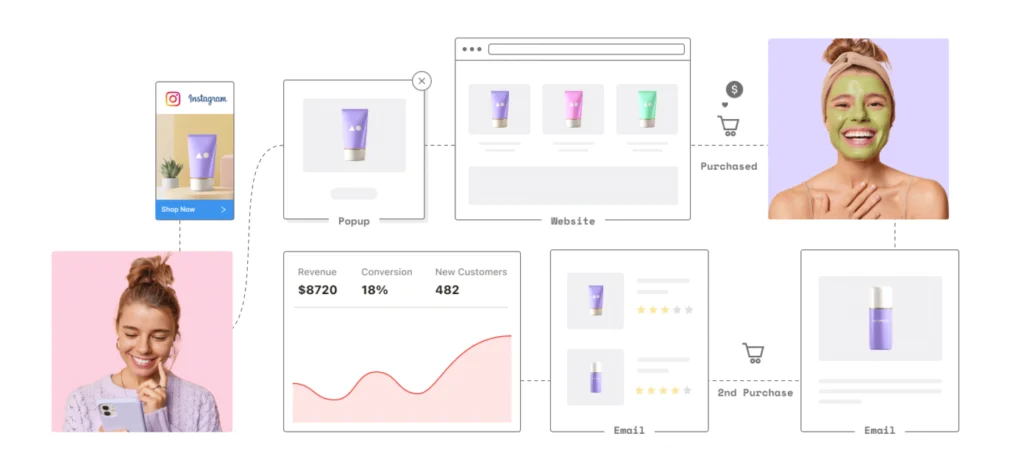
Measuring Success and Overcoming Challenges
Measuring the success of your automation and personalization efforts is crucial for optimizing and improving your campaigns. Here are the key metrics to track and the challenges to watch out for:
- Conversion Rates and Sales: Track metrics like conversion rates, engagement of customers, and the effectiveness of your personalization strategy to see how well your customized campaigns are performing.
- Engagement of Customers and Loyalty: Measure engagement of customers through metrics like email open rates, click-through rates, and social media interactions. High engagement indicates that your messages are resonating with your audience.
- Return on Investment (ROI): Calculate the ROI of your automated marketing efforts by comparing the cost of implementation to the revenue generated. This helps you understand the financial impact of your campaigns.
- Customer Satisfaction and Retention: Track customer satisfaction and retention rates through surveys, feedback forms, and loyalty programs. Happy customers are more likely to stay loyal and recommend your brand.
However, marketing automation also presents challenges:
- Ensuring Data Quality: Accurate and up-to-date data is essential for effective personalization. Regularly clean and update your data for your customers to avoid errors.
- Avoiding Over-Automation: While automation is powerful, over-automation can make your messages feel impersonal. Maintain a balance by adding a human touch to your communications.
- Integrating Tools: Integrating automated marketing tools with existing systems can be complex. Ensure seamless integration to avoid data silos and inefficiencies.
- Continuous Optimization: Automated marketing is not a set-it-and-forget-it solution. Continuously monitor and optimize your campaigns to keep them fresh and relevant.
Key Metrics for Measuring Success
To measure the success of your marketing automation efforts, focus on these key metrics:
- Conversion Rates and Sales: Track the number of conversions and sales generated through your marketing automation efforts. This metric shows how effectively your campaigns are driving revenue.
- Engagement of Customers and Loyalty: Measure engagement of customers through metrics like email open rates, click-through rates, and social media interactions. High engagement indicates that your messages are resonating with your audience.
- Return on Investment (ROI): Calculate the ROI of your marketing automation efforts by comparing the cost of implementation to the revenue generated. This helps you understand the financial impact of your campaigns.
- Customer Satisfaction and Retention: Track customer satisfaction and retention rates through surveys, feedback forms, and loyalty programs. Happy customers are more likely to stay loyal and recommend your brand.
By tracking these key metrics, you can optimize and improve your marketing automation efforts, ensuring maximum ROI and engagement of customers. It’s like having a dashboard that shows you exactly where to steer your marketing ship for the best results.
Your Turn: How Will You Use Personalized Marketing Automation?
If you’re thinking, “Great, but where do I start?” take it step-by-step. Begin with your audience’s behaviors, and test small personalized messages. Even a single tailored email can be the spark that gets your audience’s attention.
What does your brand’s community want to feel? More importantly, how can you show them they’re more than just “target segments”? Embracing a personalized experience approach in marketing automation isn’t about doing more work; it’s about working smarter to connect meaningfully.
When used thoughtfully, tailored marketing automation can be the best friend a business could ask for. It’s efficient but with a heart, capable of turning even the most mundane email into a message worth reading. So go ahead, make those connections count!
FAQs on Personalized Marketing Automation
What is it?
It combines automation tools with personalization techniques to create messages tailored to individual customer preferences. It allows businesses to send relevant, engaging content based on each customer’s unique behaviors and interests.
How can it benefit my business?
This approach helps businesses build stronger customer relationships, improve engagement, and increase conversions. By tailoring messages to each customer, you create experiences that resonate, making customers feel valued and more likely to interact with your brand.
What data should I collect to make it effective?
To personalize effectively, collect data on browsing behavior, past purchases, engagement with emails or ads, and general interests. The more relevant data you have, the better you can understand your customers and create messages that align with their needs.
How can I avoid making automated messages feel robotic?
Use conversational, friendly language and consider including humor or relatable scenarios that speak to your customers’ interests. Keeping messages light and personable helps make your automation feel more like a personal connection than a broadcast.
What are some common mistakes?
One of the most common mistakes is overusing data for your customers to the point where the message feels invasive. Avoid getting too specific about personal information. Another mistake is sending overly generic messages, which can make customers feel like just a number rather than a valued individual.
How does dynamic content work in this strategy?
Dynamic content changes elements within emails or web pages based on data for your customers. For example, if a customer previously browsed winter wear, an email could automatically display coats and scarves rather than summer clothing. This targeted approach makes each interaction feel more relevant.
Why is segmentation important here?
Segmentation organizes customers into groups based on shared characteristics, such as age, location, interests, or purchasing behavior. This allows you to send more relevant messages to each group, increasing engagement and making your communications feel more tailored.
Can small businesses use this strategy effectively?
Absolutely. Small businesses can start with simple tools and basic personalization techniques, like addressing customers by name or segmenting emails by interest. As they grow, they can implement more complex strategies like dynamic content and behavior-based triggers.
How can I make automated marketing feel more community-driven?
Consider featuring real customers or their stories in your content, adding interactive elements like quizzes or polls, and using a warm, conversational tone. Creating a sense of community helps customers feel like they’re part of something beyond just a transaction.
How do I know if my strategy is working?
Track metrics like open rates, click-through rates, and conversion rates to see how customers are engaging with your content. Testing different variations (A/B testing) can also reveal which messages resonate most, allowing you to refine your strategy over time.
How often should I update my personalization approach?
Regularly revisit your strategy to ensure it aligns with customer preferences and current trends. Customer behaviors change, so updating your strategy quarterly or after significant changes in engagement of customers helps keep your approach fresh and relevant.
What’s a good way to get started?
Begin by collecting basic data on your customers and experimenting with personalized email content or recommendations. Gradually add layers of personalization, such as segmentation and dynamic content, as you become more familiar with your audience’s preferences.